Naga
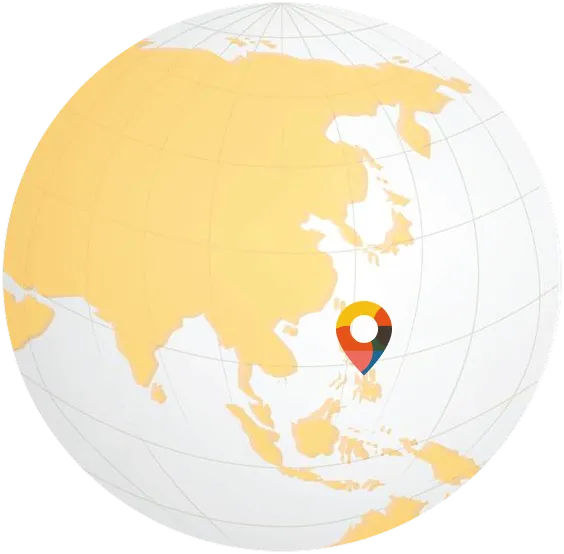
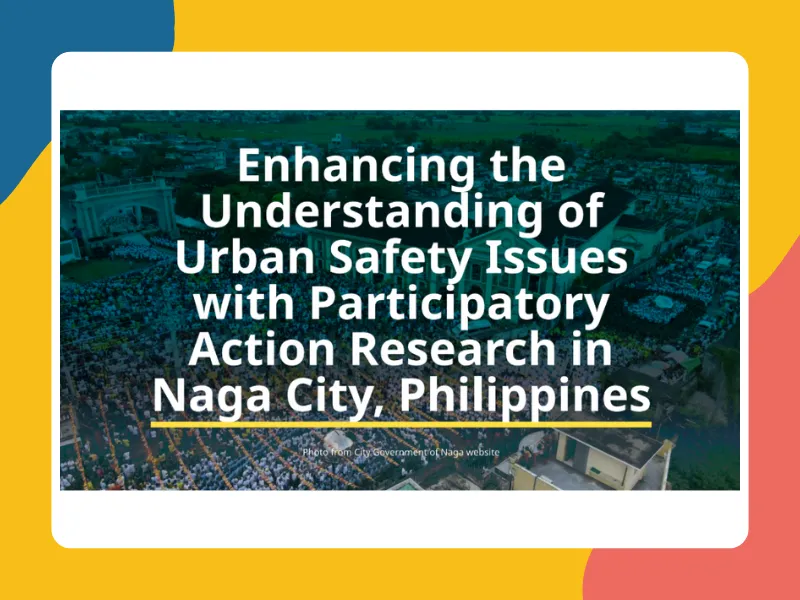
Located in Camarines Sur in the Philippines, Naga City has a population of 132,836 in 2020, with around 19% comprising young people. The government actively engages with youth to promote leadership, skills development, and civic participation, and to support tackling safety challenges and natural disaster response. A dedicated Naga City Youth Development Office leads youth engagement and creates pathways for youth decision-making. These efforts reflect the city’s broader commitment to building a safer and more inclusive Naga.

Making Naga Safe and Sound
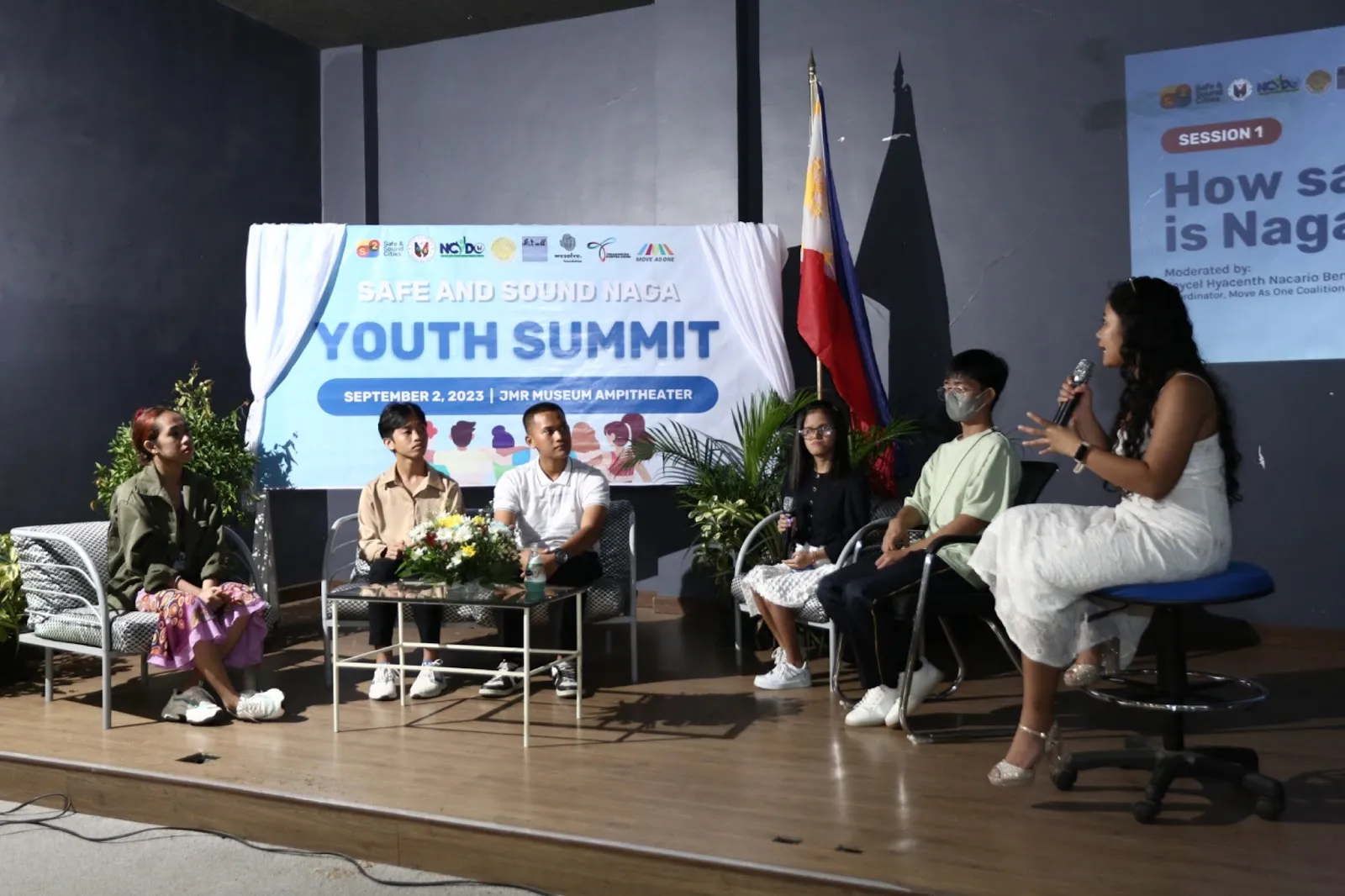
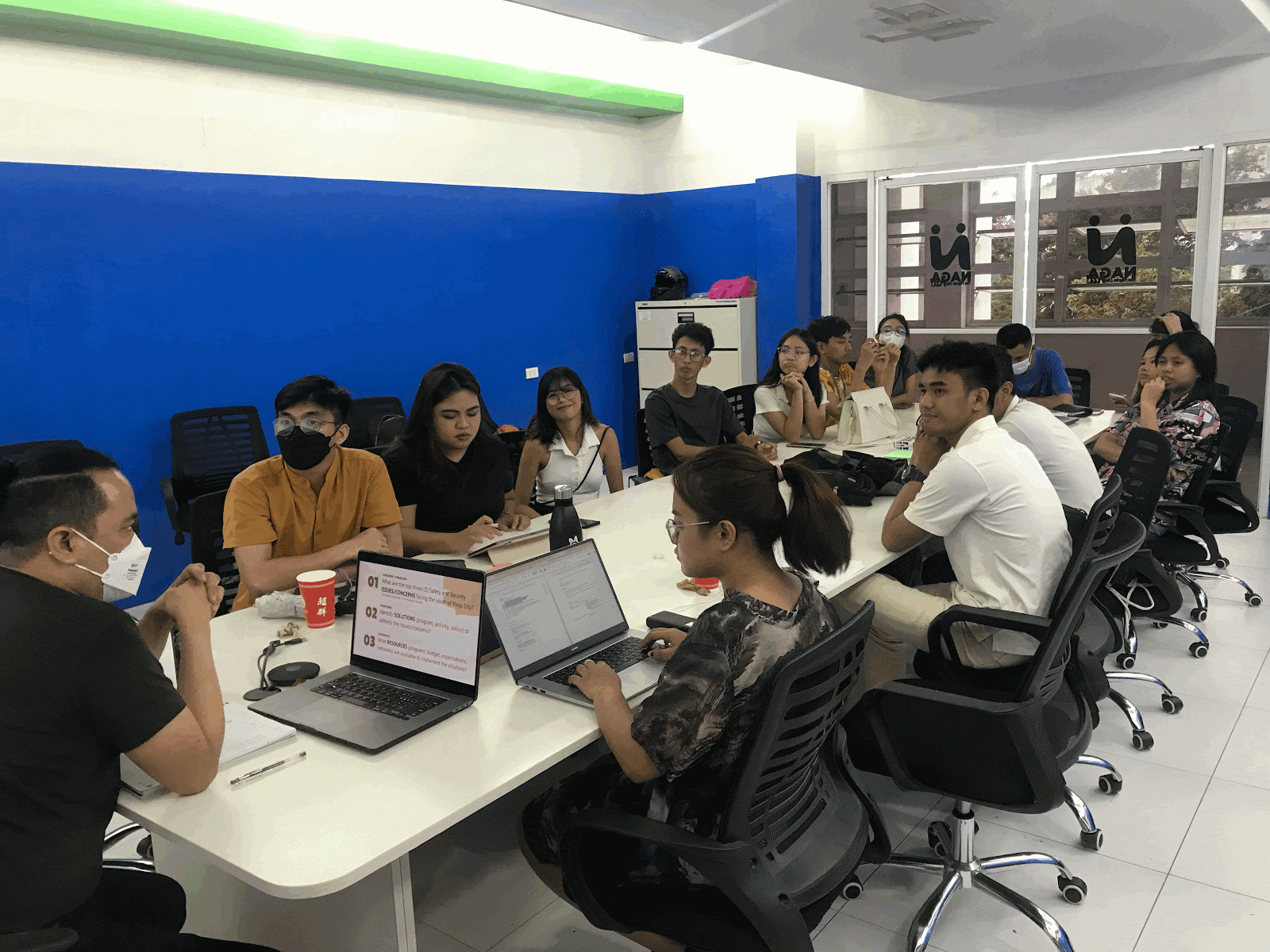
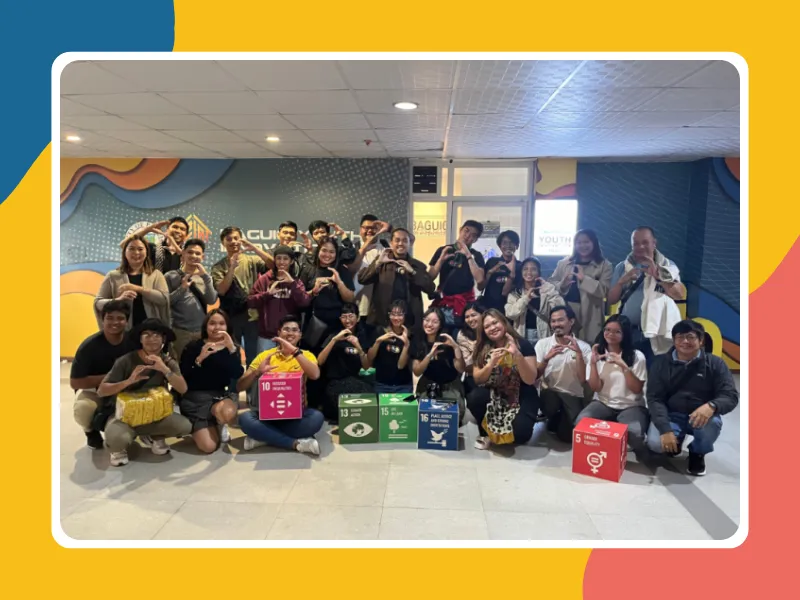
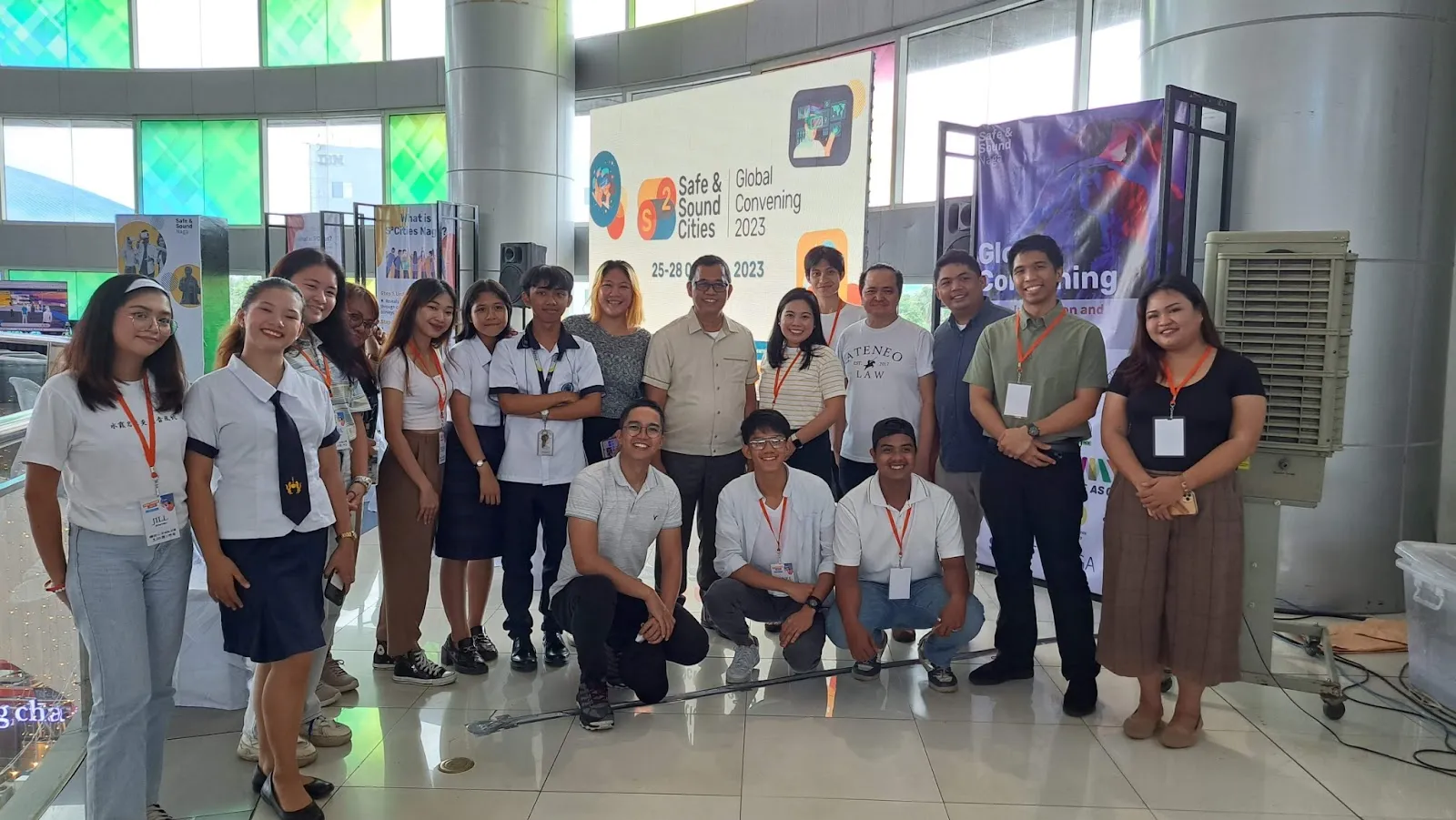
The programme implementation in Naga is led by the WeSolve Foundation. The survey of perception of safety among young people revealed that despite formal recognition of youth engagement, young people continue to encounter limited influence in public decision-making. These insights underscore the need to strengthen youth participation within local governance systems and to create structured pathways for young innovators to lead change in their city.
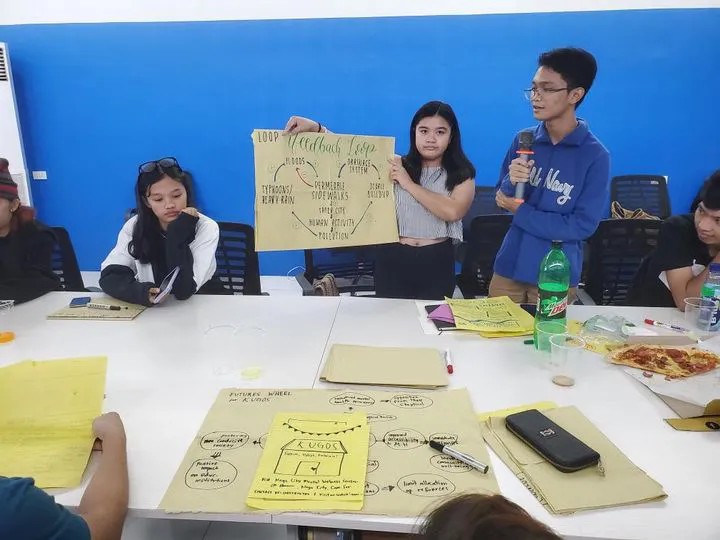
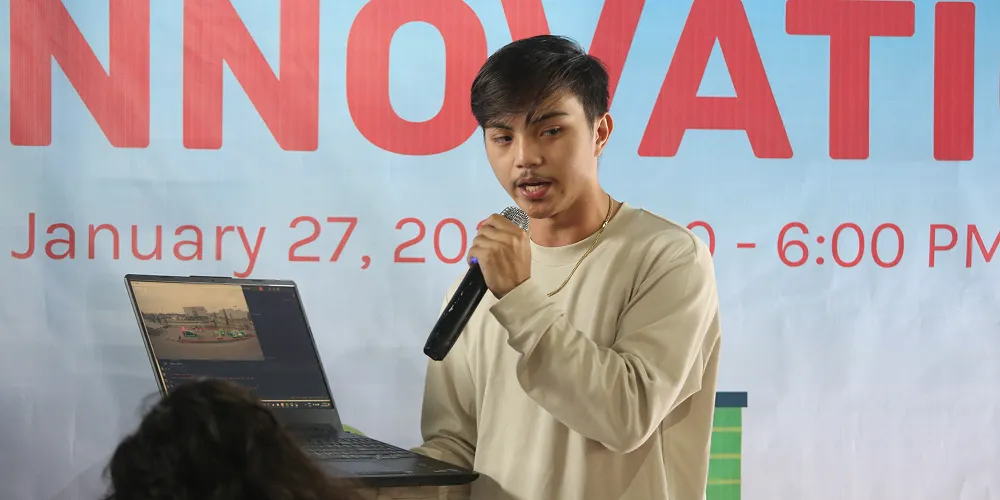
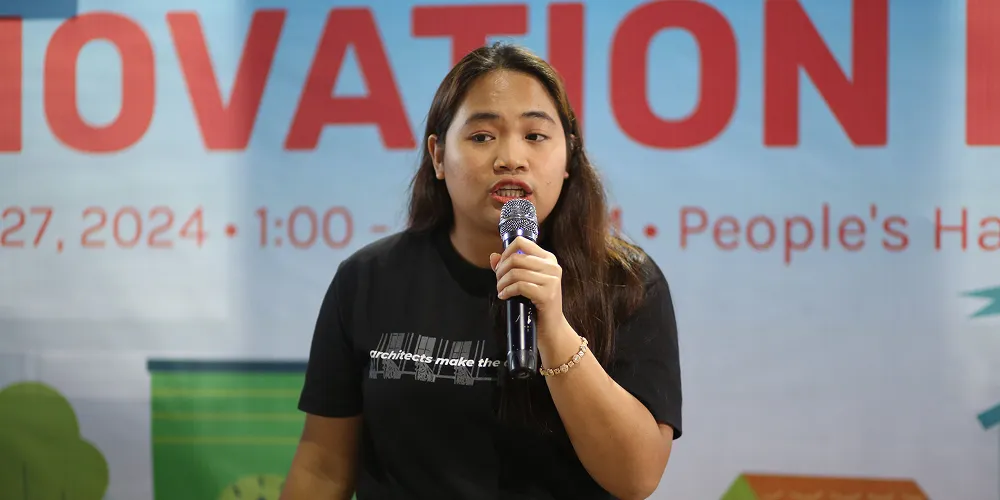
WeSolve advances the S²Cities systems approach in Naga through a two-fold strategy: enhancing youth-led innovation while embedding collaboration within municipal governance. To advance innovation, young people receive technical support, practical training, and seed funding that strengthen their capacities and guide their projects toward city priorities. WeSolve works closely with the Naga City Government to reinforce institutional mechanisms that allow young people to meaningfully participate in planning and policy discussions, transforming engagement from isolated activities into a coordinated, citywide effort.
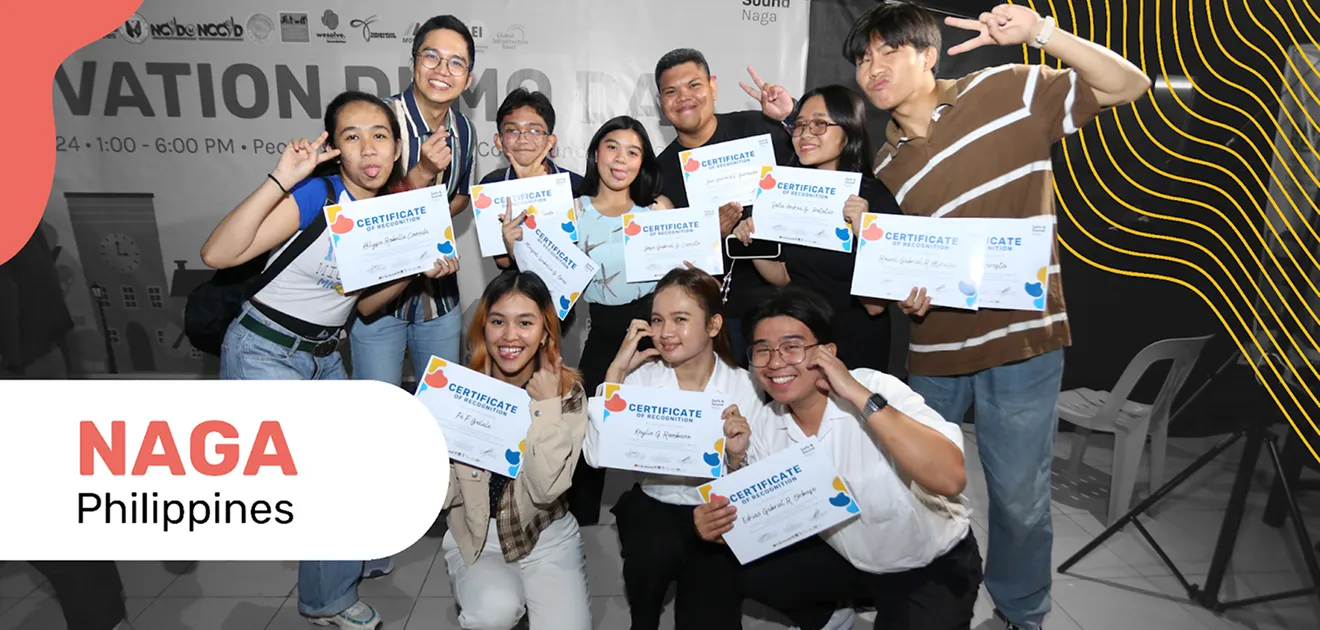
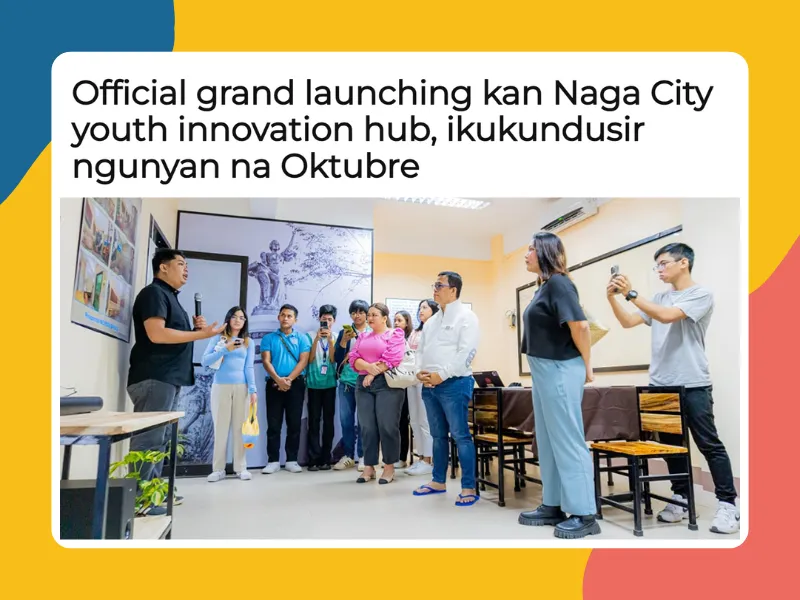
Young people in Naga take an active role in shaping city policy. Youth from the programme, together with the City Youth Officials, drafted and submitted a city ordinance to institutionalise youth innovation processes inspired by the S²Cities methodology. S²Cities Naga catalyses a lasting culture of youth participation, ensuring that young people remain at the heart of building a safer, more inclusive, and resilient city. Despite the city’s vulnerability to natural disasters (typhoons and flooding), the programme’s dynamic management approach empowers youth to respond to environmental challenges, develop creative and sustainable solutions and enhance community-wide support for young people.
Going forward, the selected youth-led initiatives will be scaled city-wide by the municipal government, with responsibilities gradually transitioning from young people to local authorities to ensure long-term sustainability and impact.
From Ideas to Impact
- Integration of youth safety perspectives into municipal planning through collaboration between the City Planning Office and youth innovators.
- Participation of young people in participatory budgeting under the People’s Budget Ordinance (2017), linking programme insights with existing governance frameworks.
- Replication of S²Cities methodologies by youth councils, embedding safety assessments and placemaking practices into local planning processes.
- Collaborative Adaptive Systems Model process that aligns youth-generated data with national frameworks like the Safe Spaces Act and the Philippine Youth Development Plan.
- Recognition of young people as co-decision-makers in shaping future urban safety strategies.
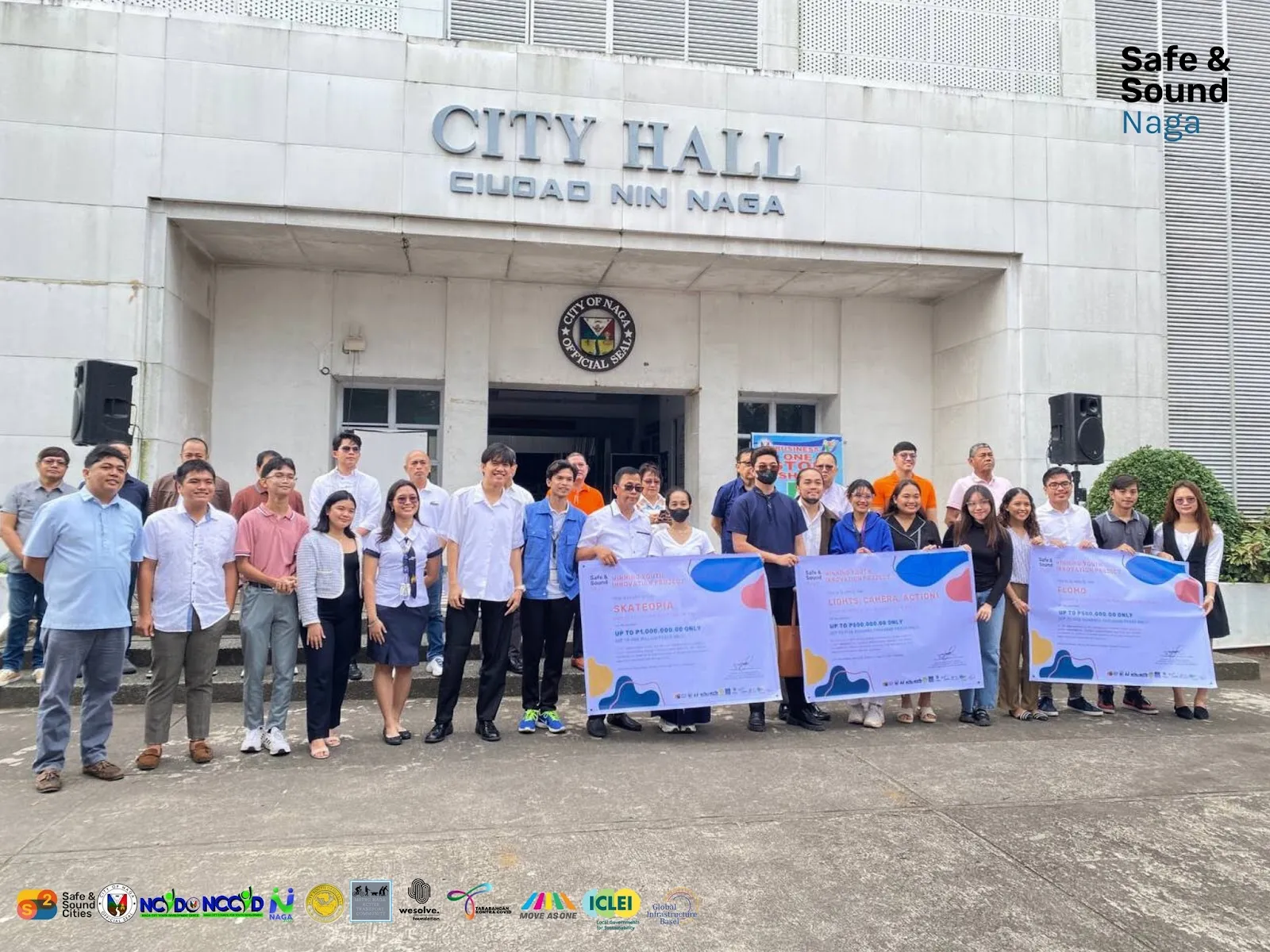
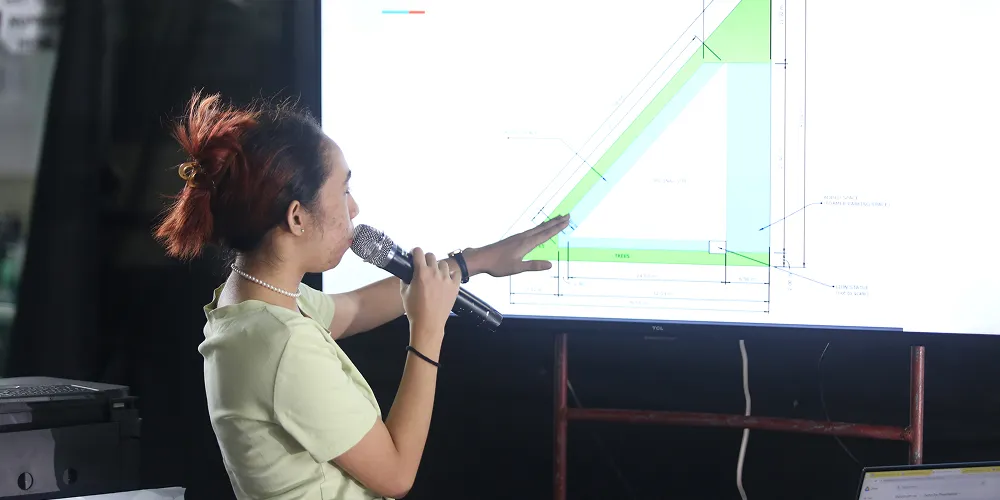
- Adoption of a youth-authored ordinance that designates the youth-led Skateopia skatepark as formal municipal infrastructure – a key step in institutionalising youth legislative engagement.
Local Consortium Partners

People in the Programme











.webp)