Cuenca
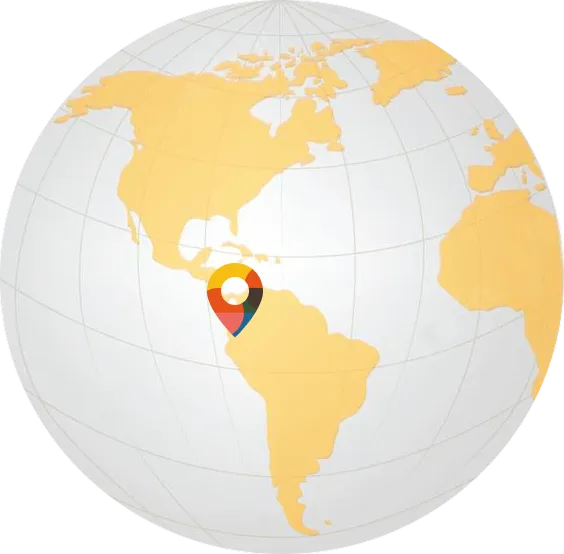
Cuenca, the third-largest city in Ecuador, according to 2022 population data, is characterised by its young population, with more than one-third of residents under the age of 20. Youth development is a city priority, supported by collaborations that promote entrepreneurship and civic engagement. Guided by the Youth Law and Article 39 of the Ecuadorian Constitution, the Municipal Government of the Azuay Prefecture advances initiatives for youth participation in decision-making.

Making Cuenca Safe and Sound
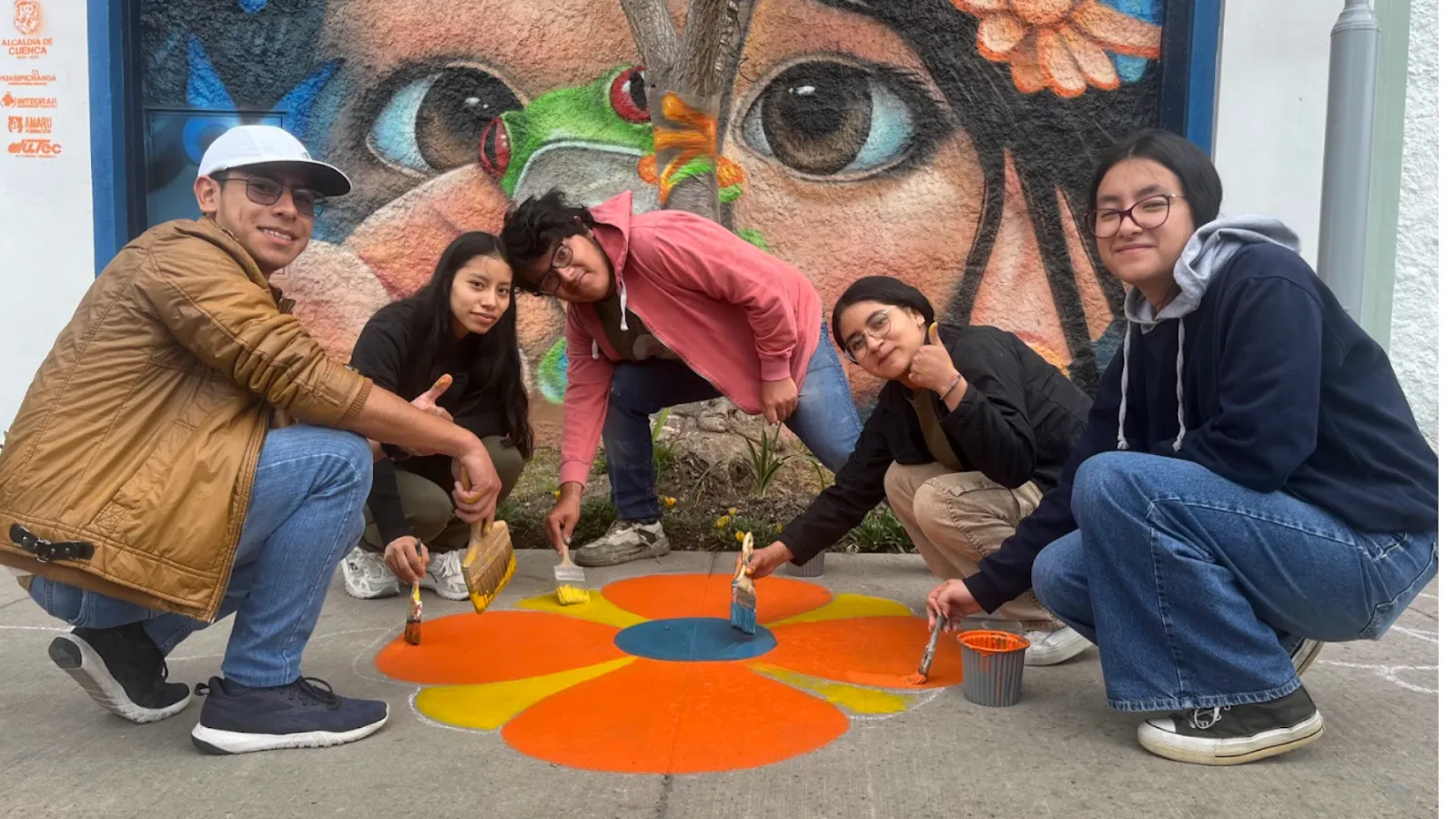
In Cuenca, young people face growing challenges in public spaces, as many spaces remain unsafe or underused, while stigma toward certain youth groups limits their ability to participate freely in community life. In response, Huasipichanga, the programme’s consortium local partner in Cuenca, empowers young people to reclaim and transform their city.
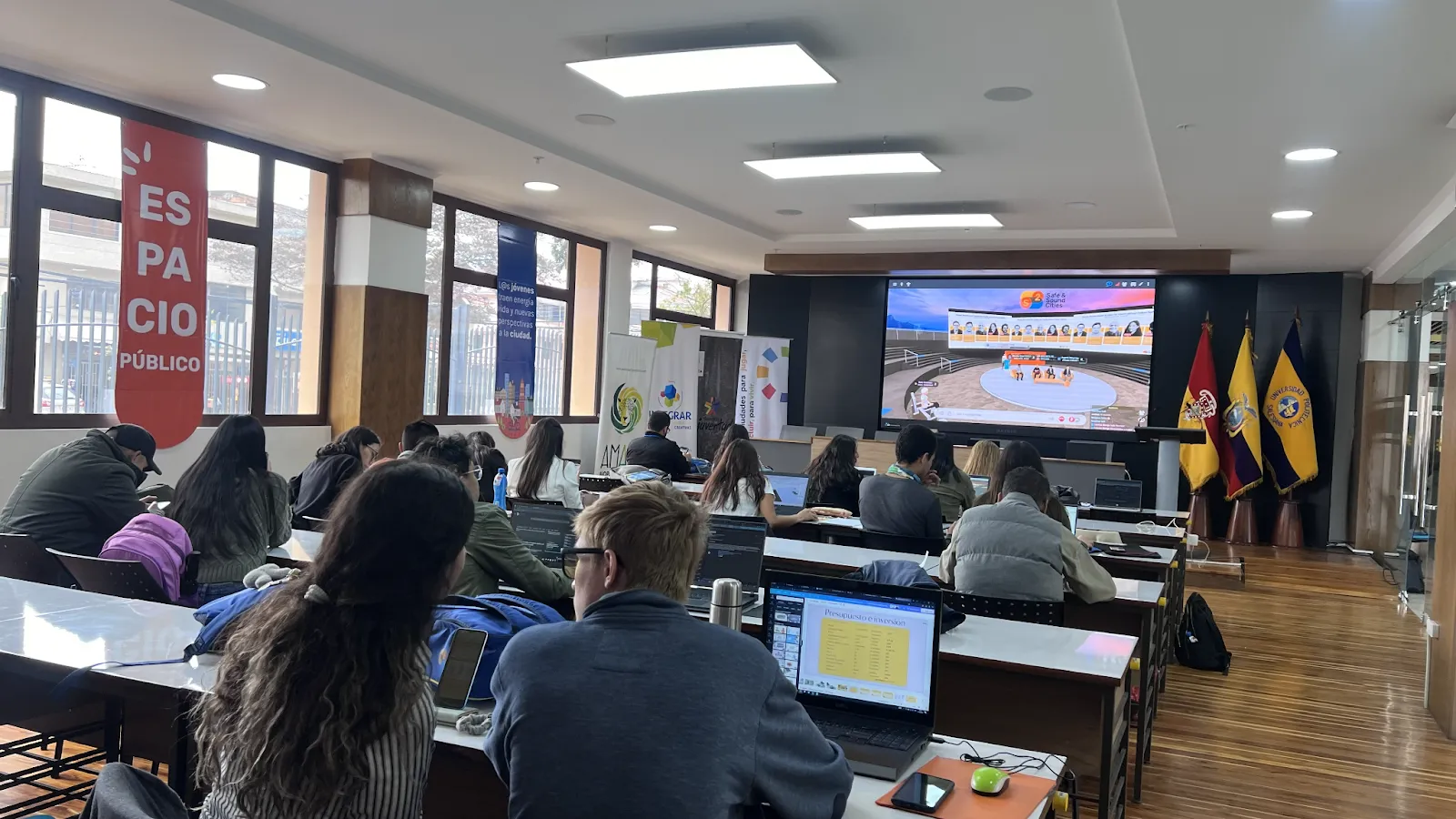
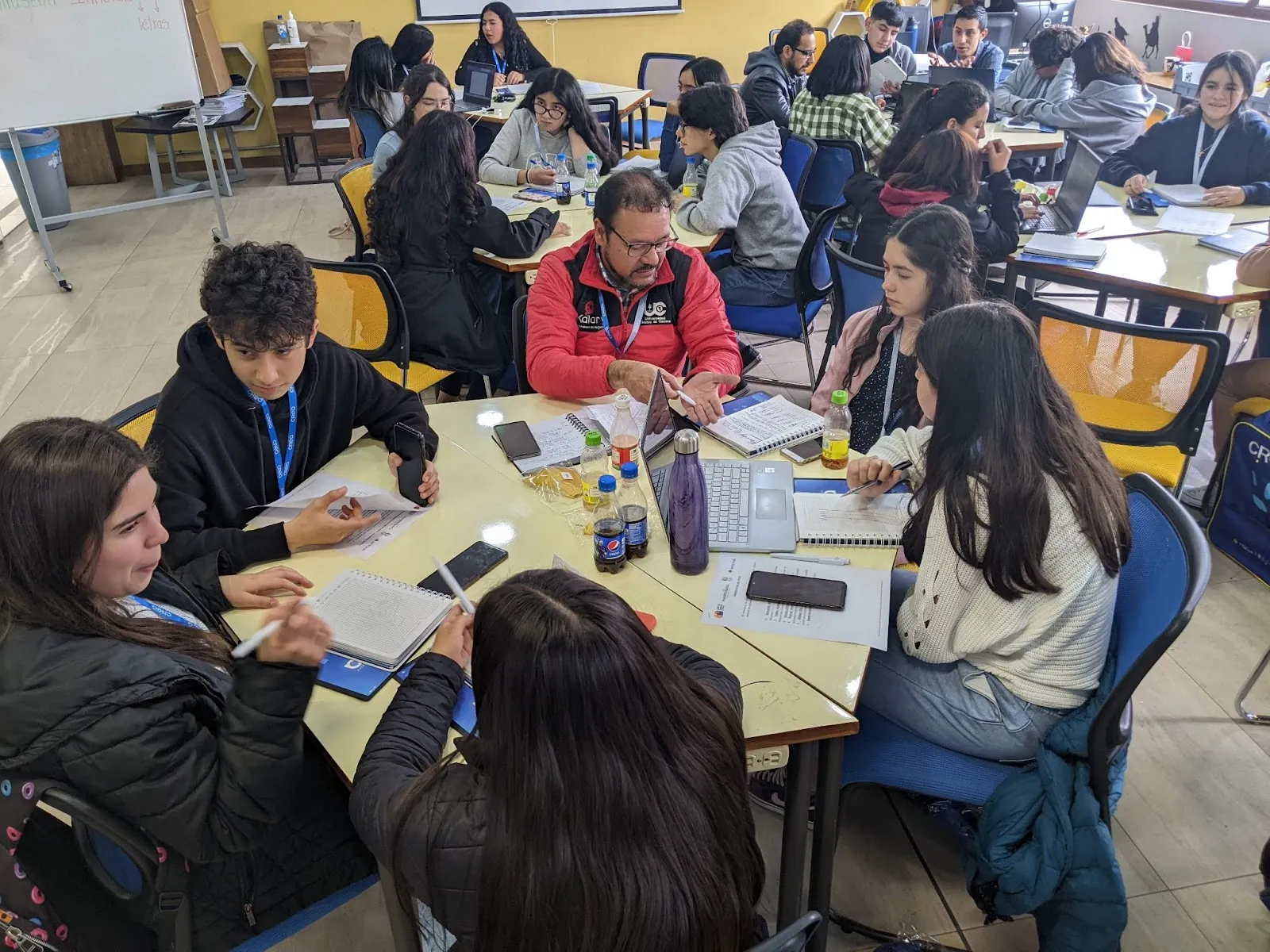
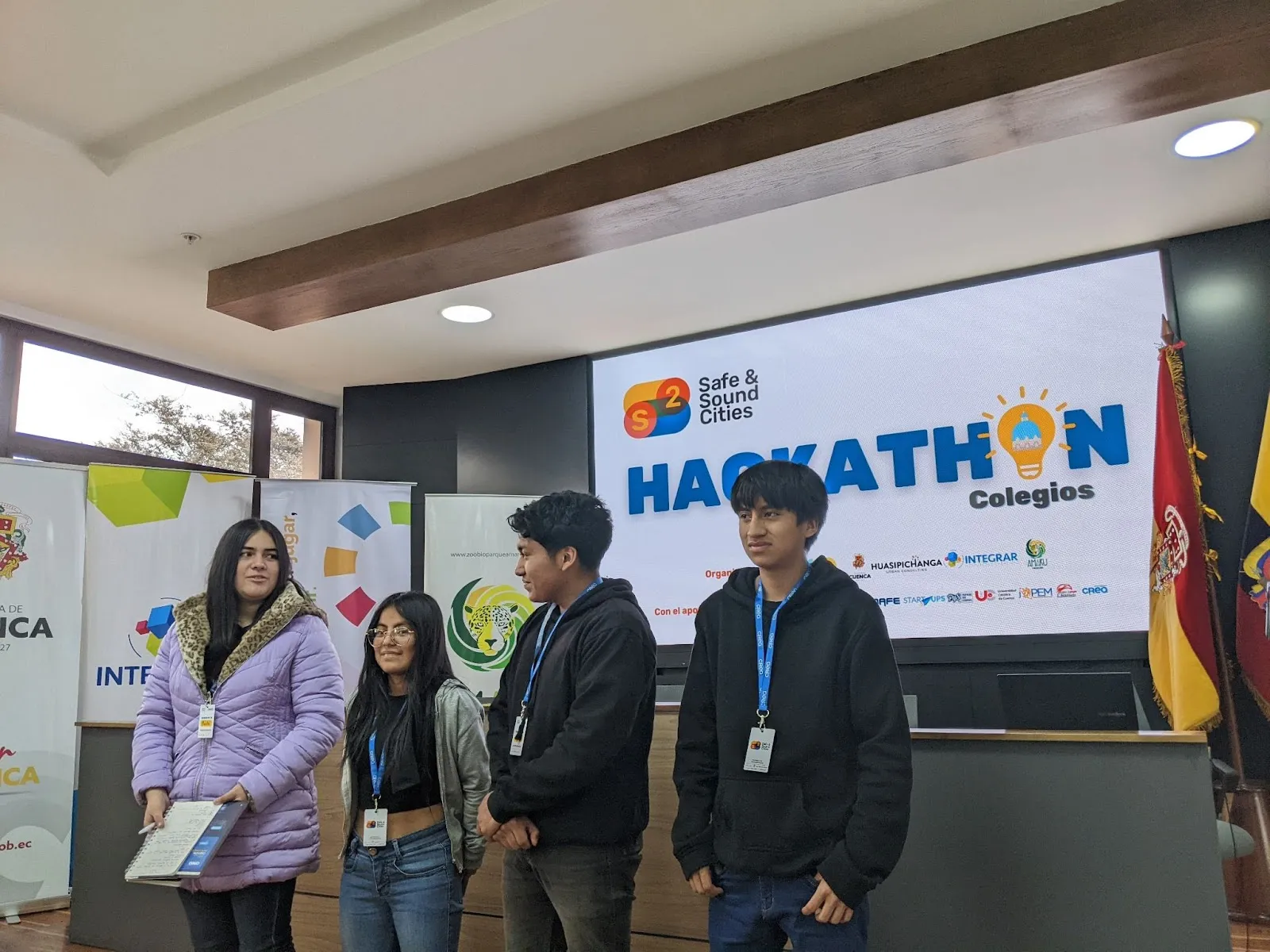
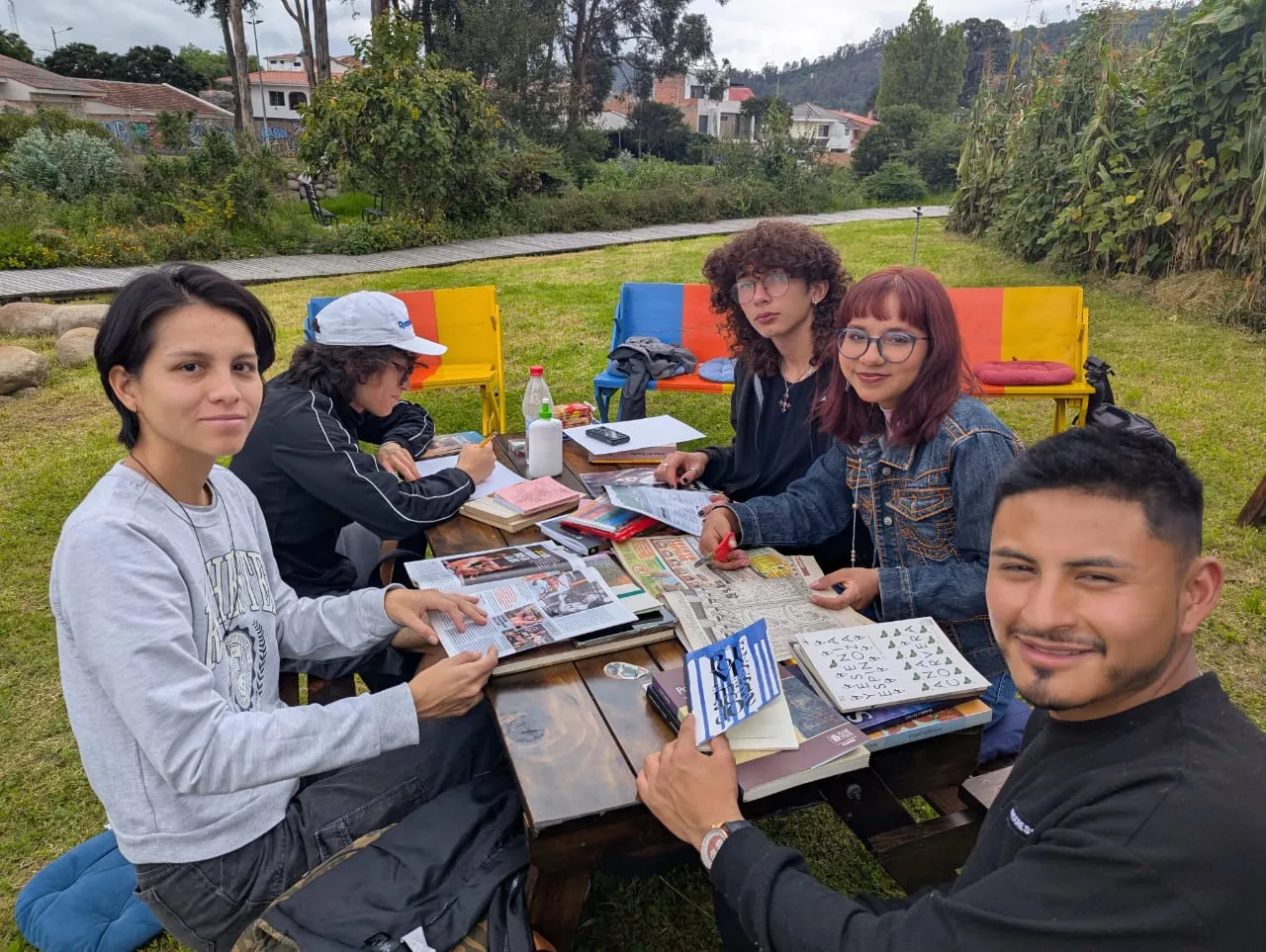
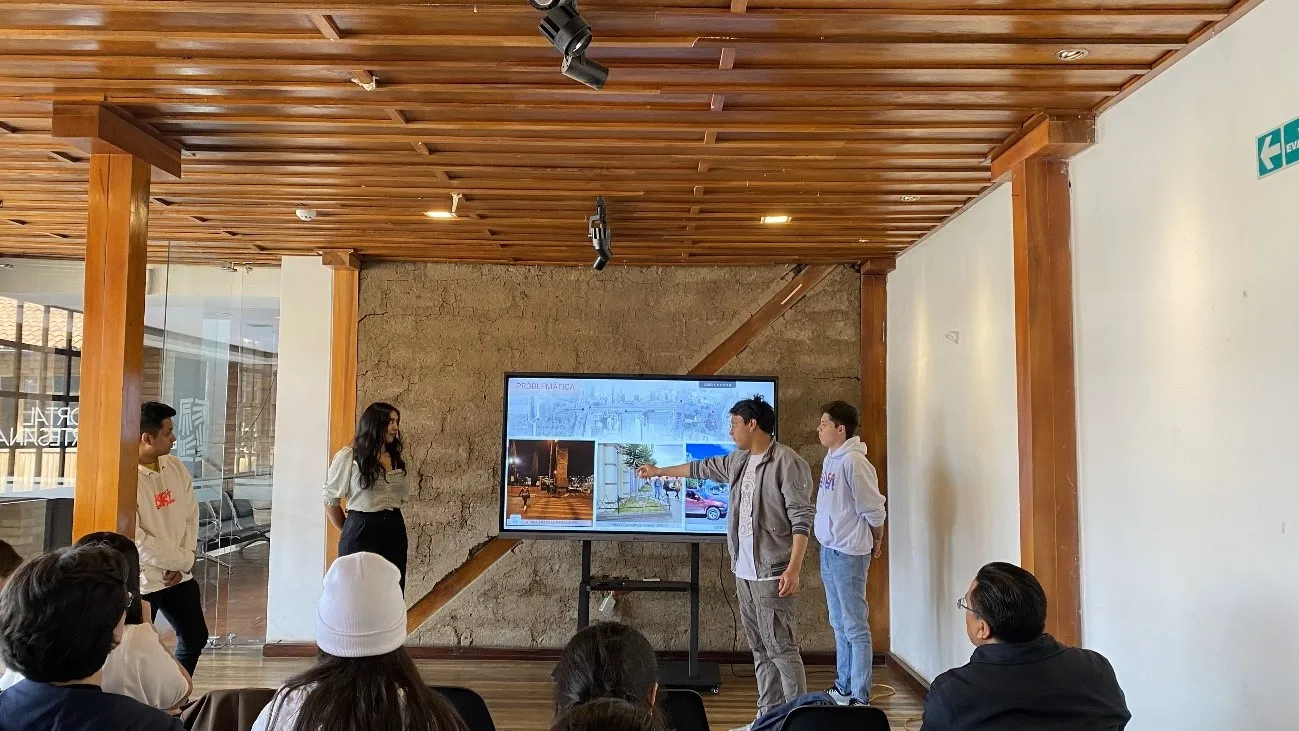
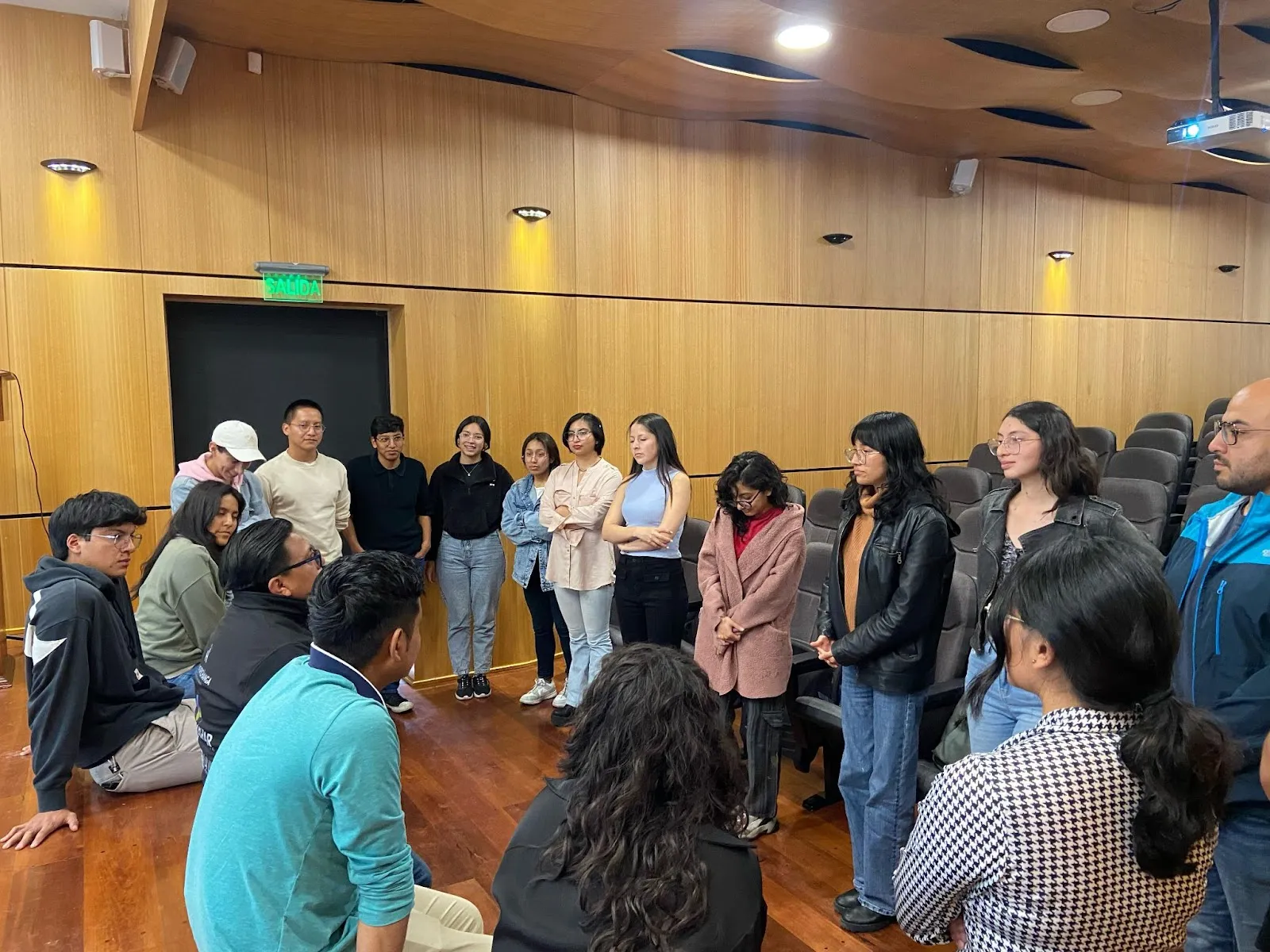
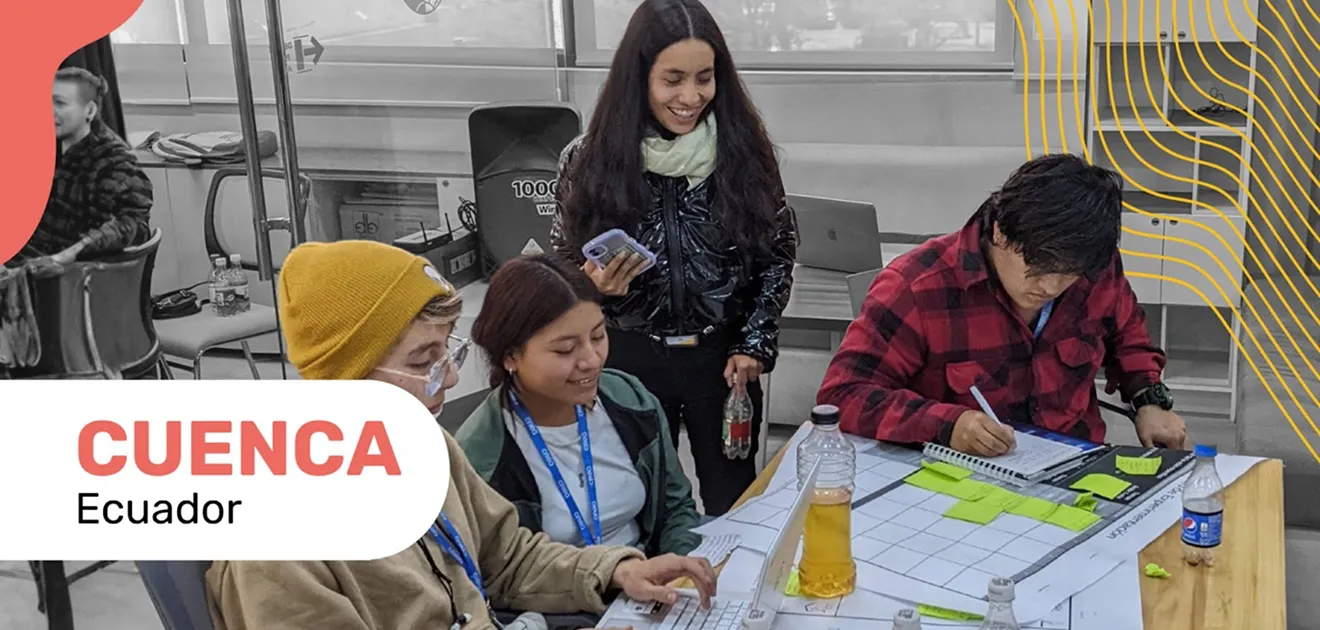
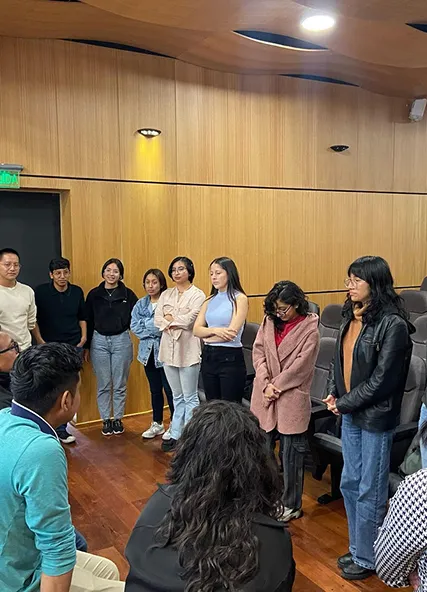
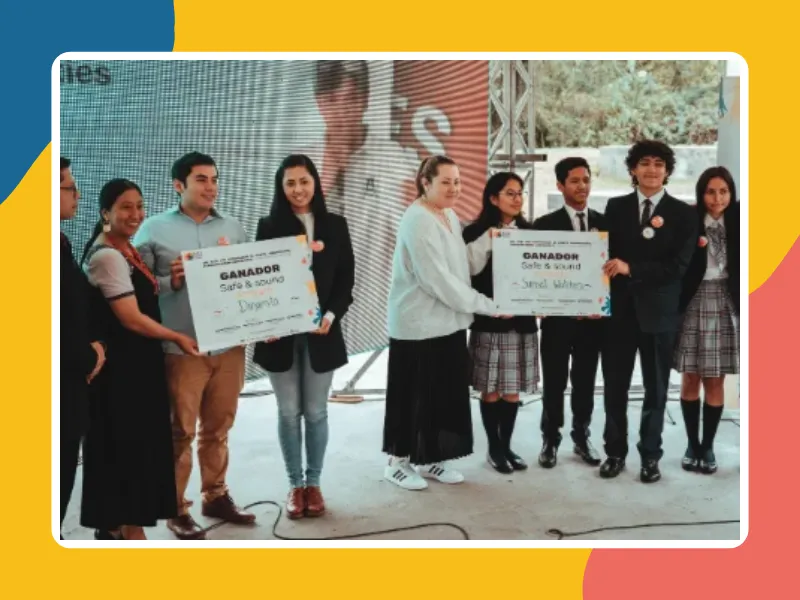
Huasipichanga’s “in-between” Innovation Engine model combines capacity building with co-creation. Following preparatory sessions on systems thinking and urban safety, high school and university students participate in a two-day hackathon to co-develop solutions alongside city actors. The resulting two youth-led initiatives emerged as creative platforms for civic engagement and urban transformation, addressing three priority issues identified by youth: mental health, insecurity in parks and plazas, and safety in public transport.
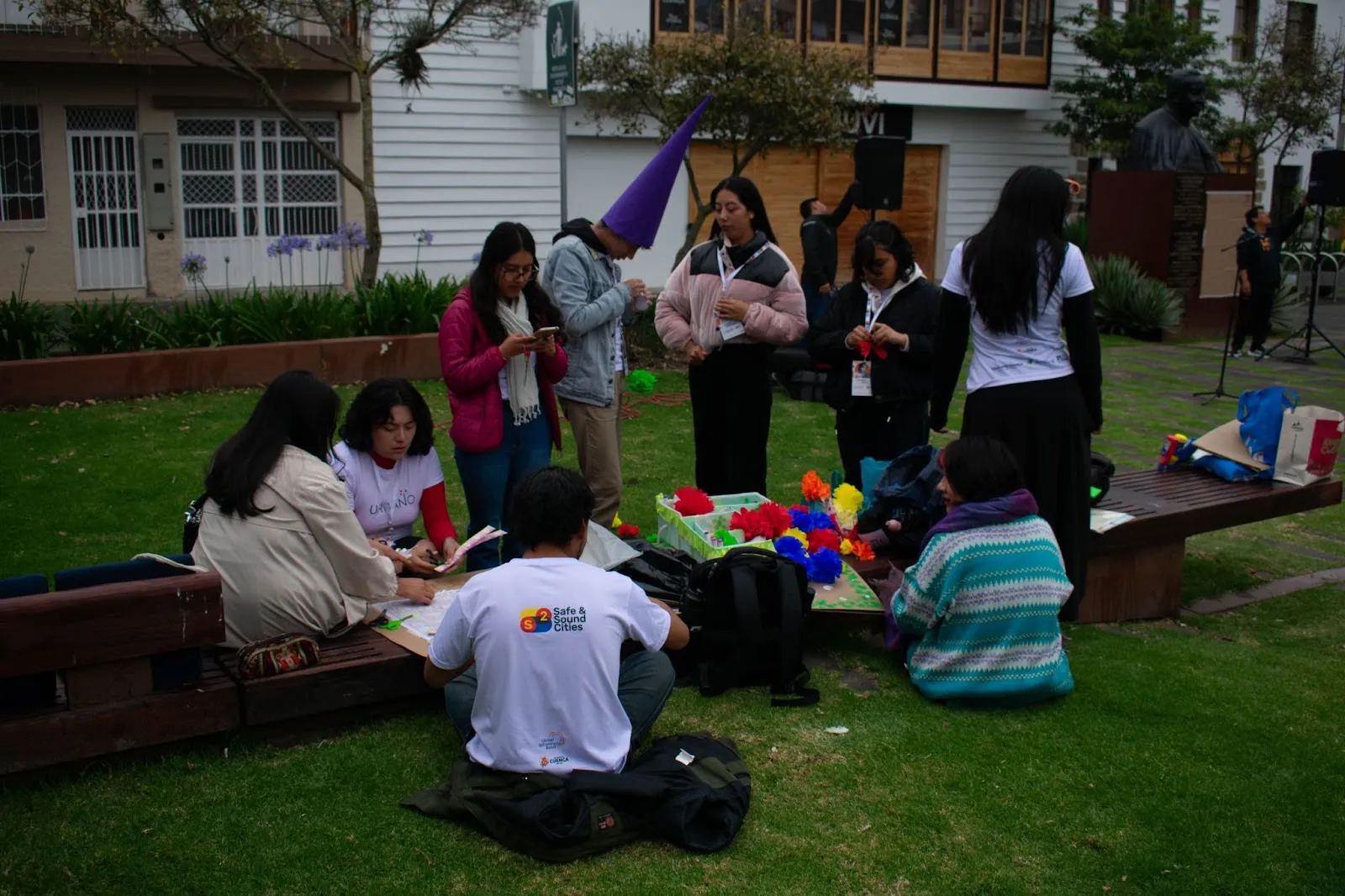
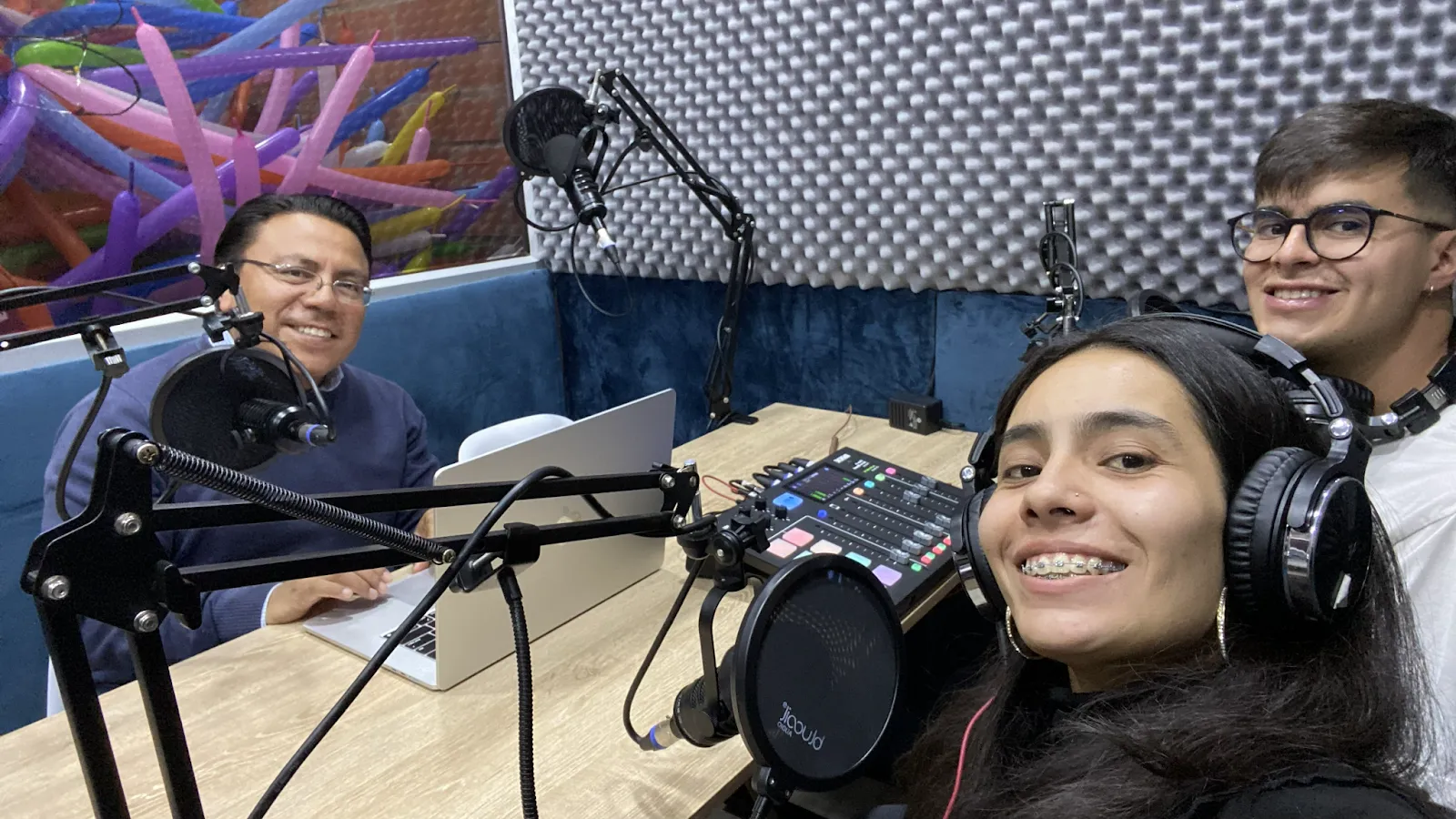
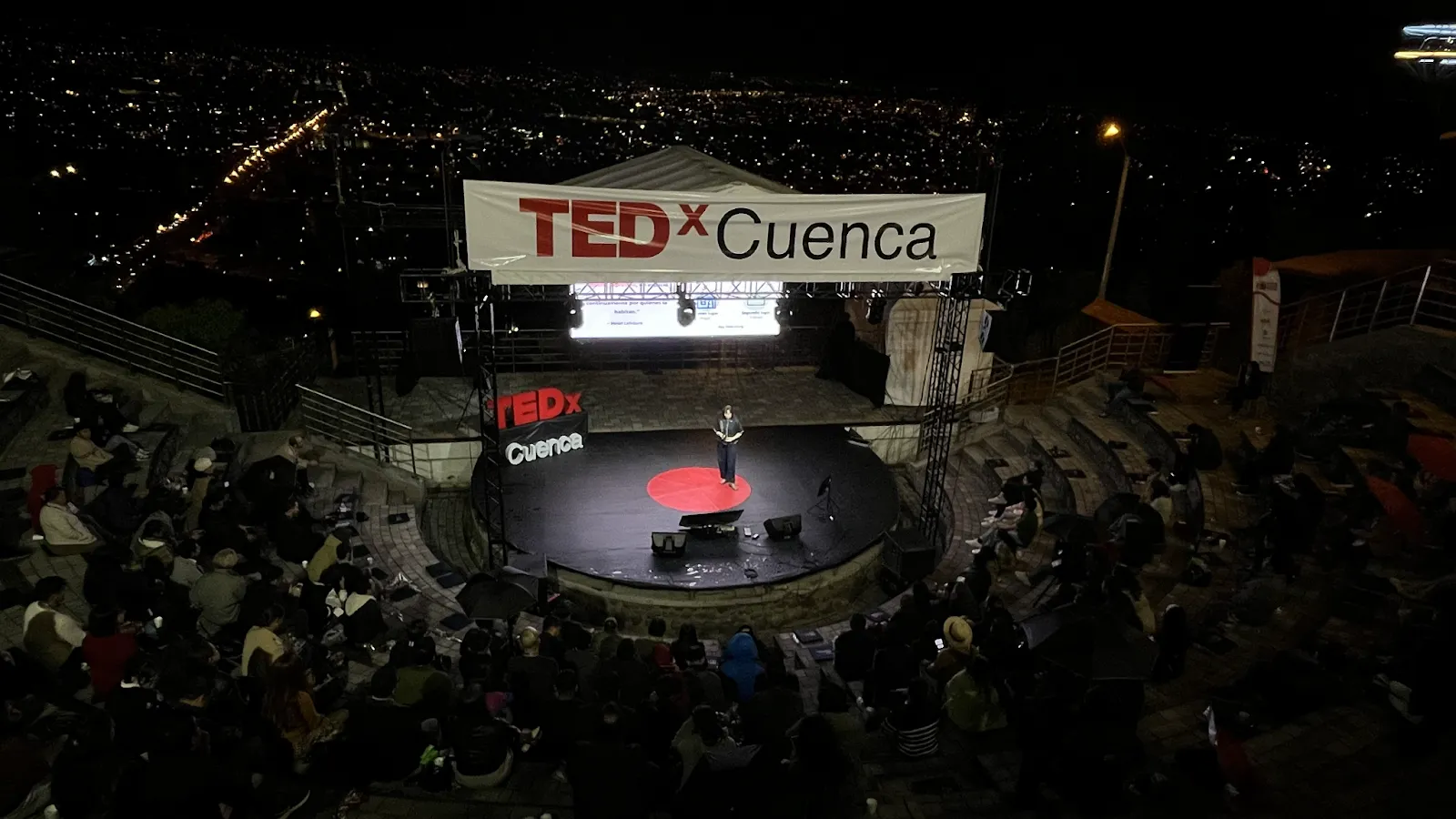
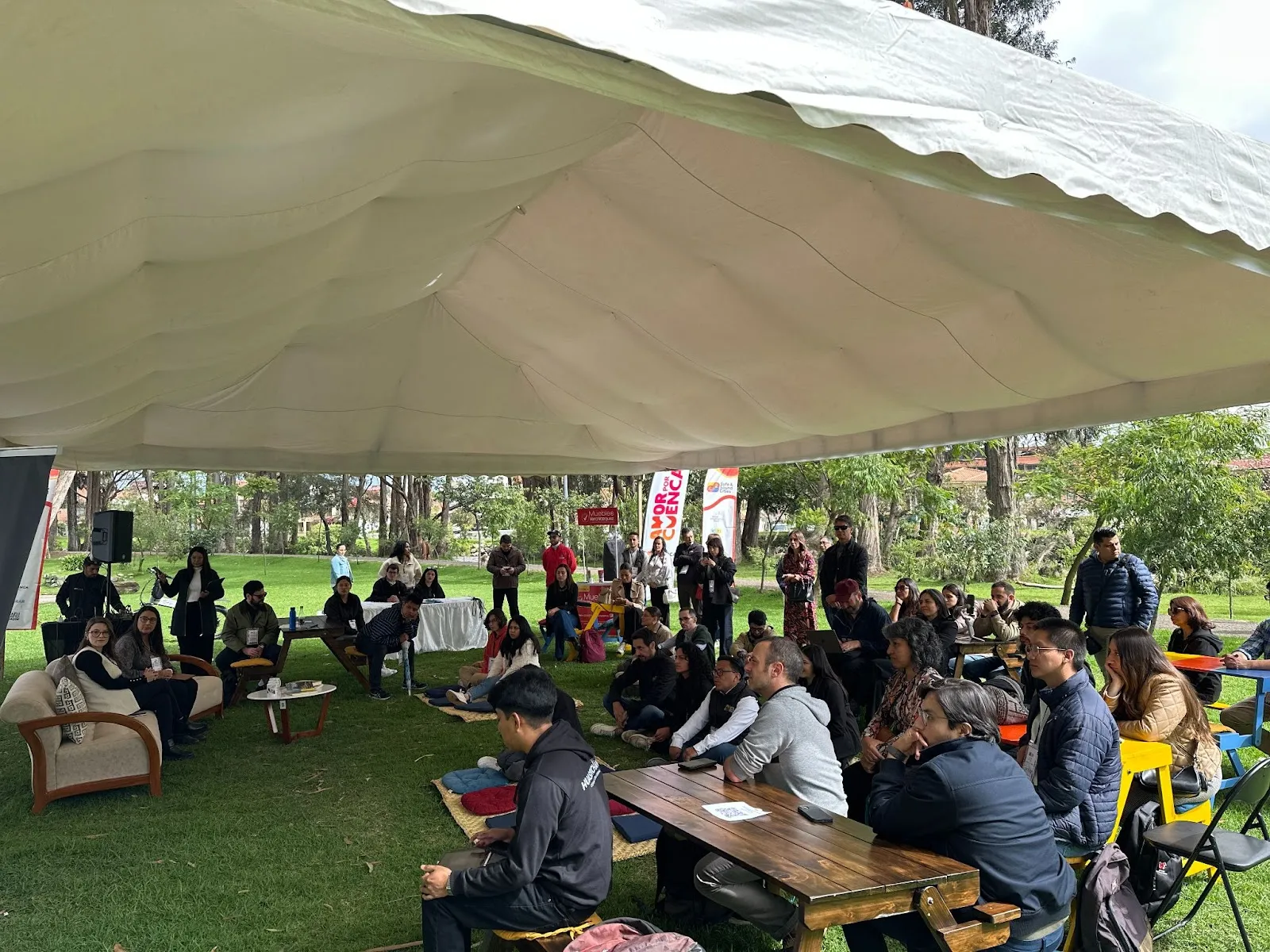
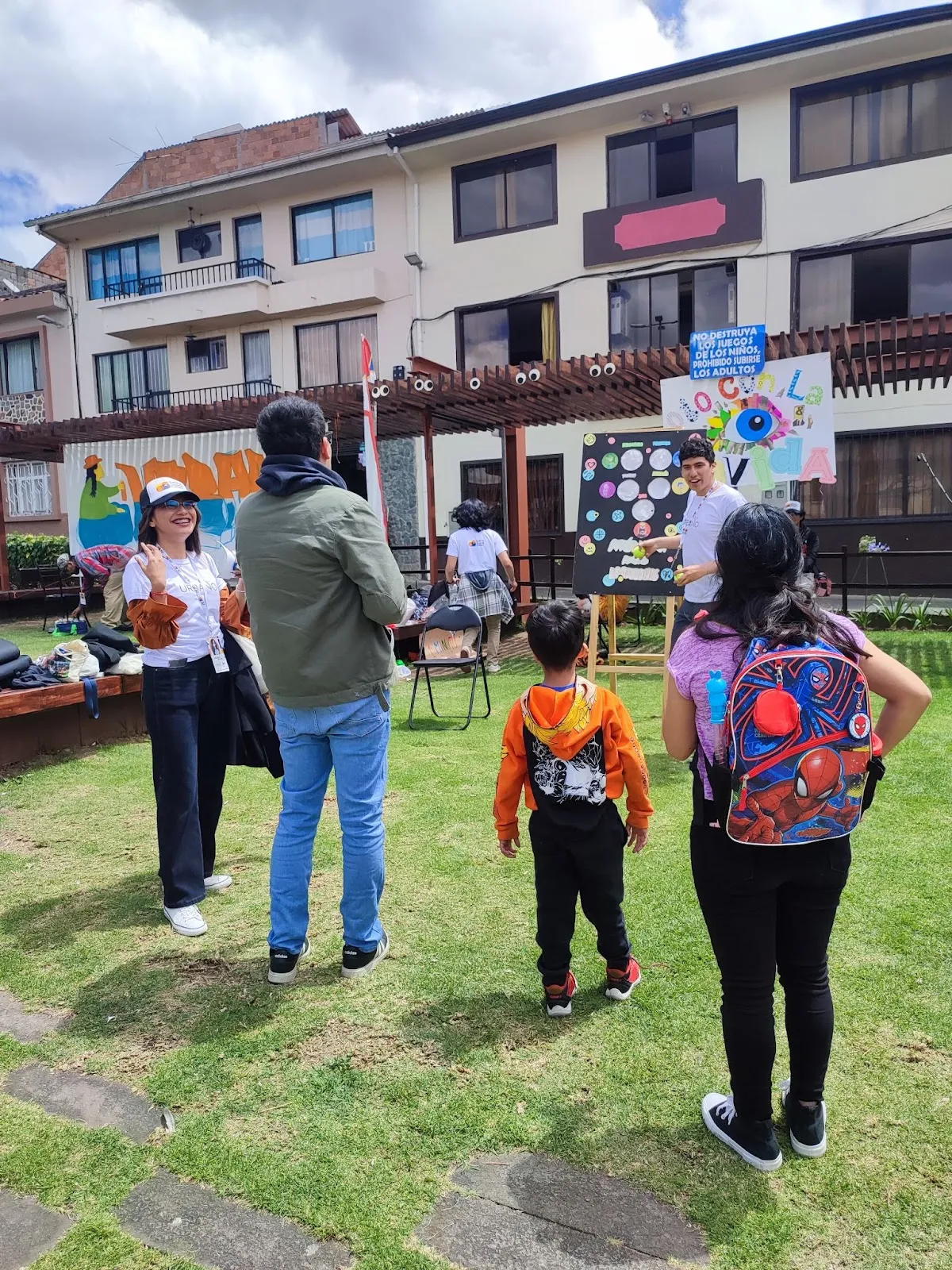
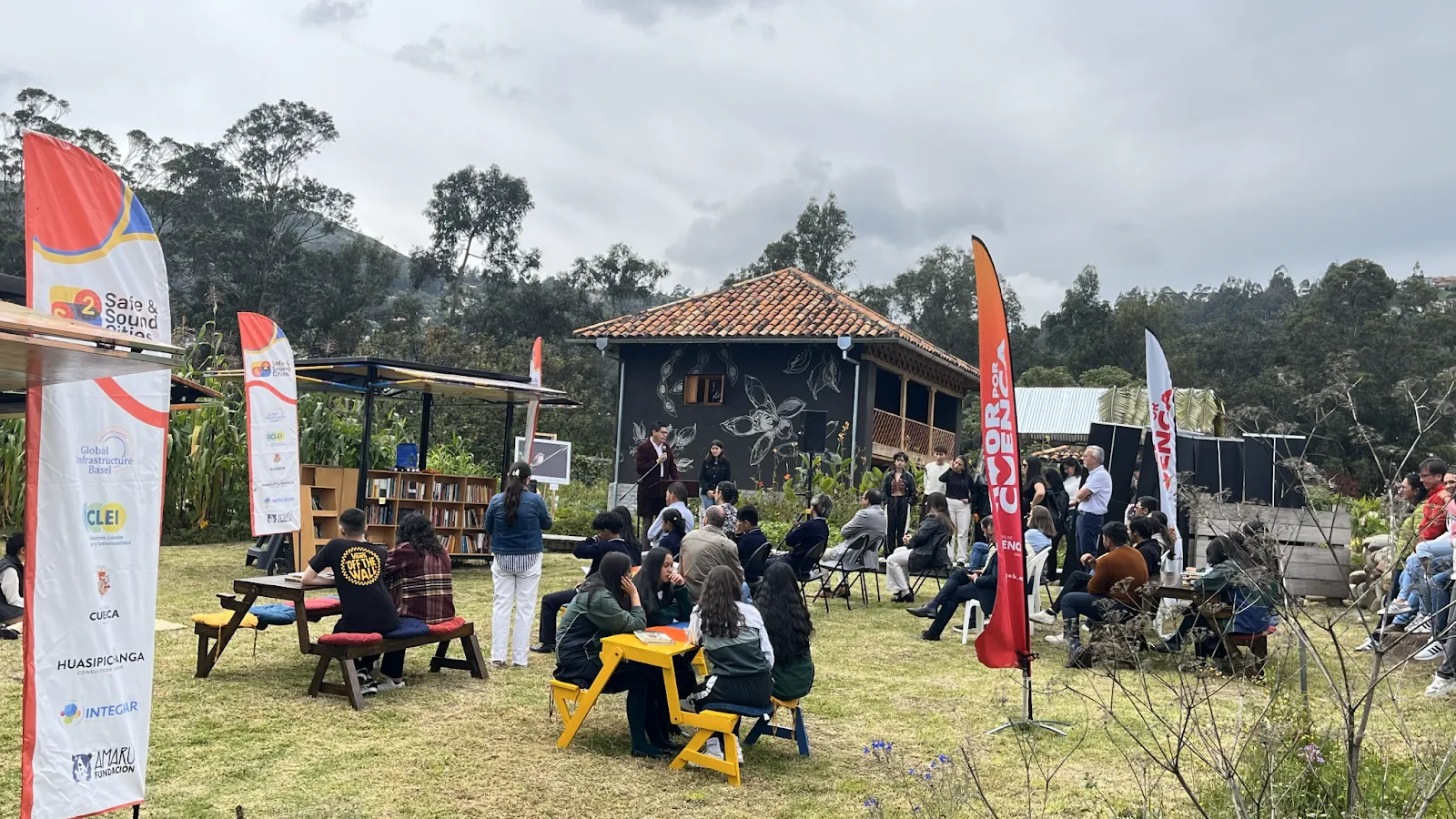
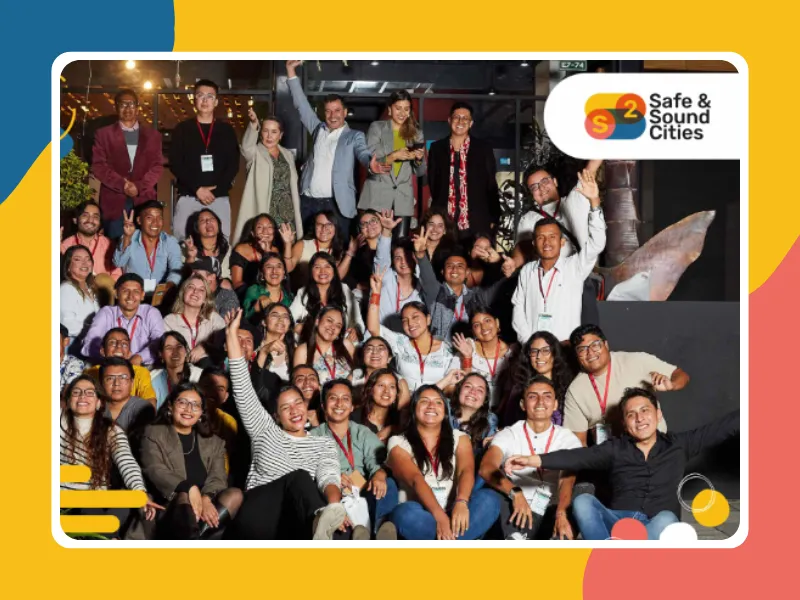
To scale capacity strengthening and youth-led impact, Huasipichanga has launched the Placemaking School (URBANO), a learning and experimentation hub for urban solutions. Through engaging in global exchanges such as Placemaking Week Latin America and TEDx events, organising a youth-led podcast, participating in the Safe and Sound Cities Summit, and building active inter-institutional partnerships, young people are emerging as central actors in Cuenca’s urban transformation and prompting increased municipal investment in youth-led futures.
From Ideas to Impact
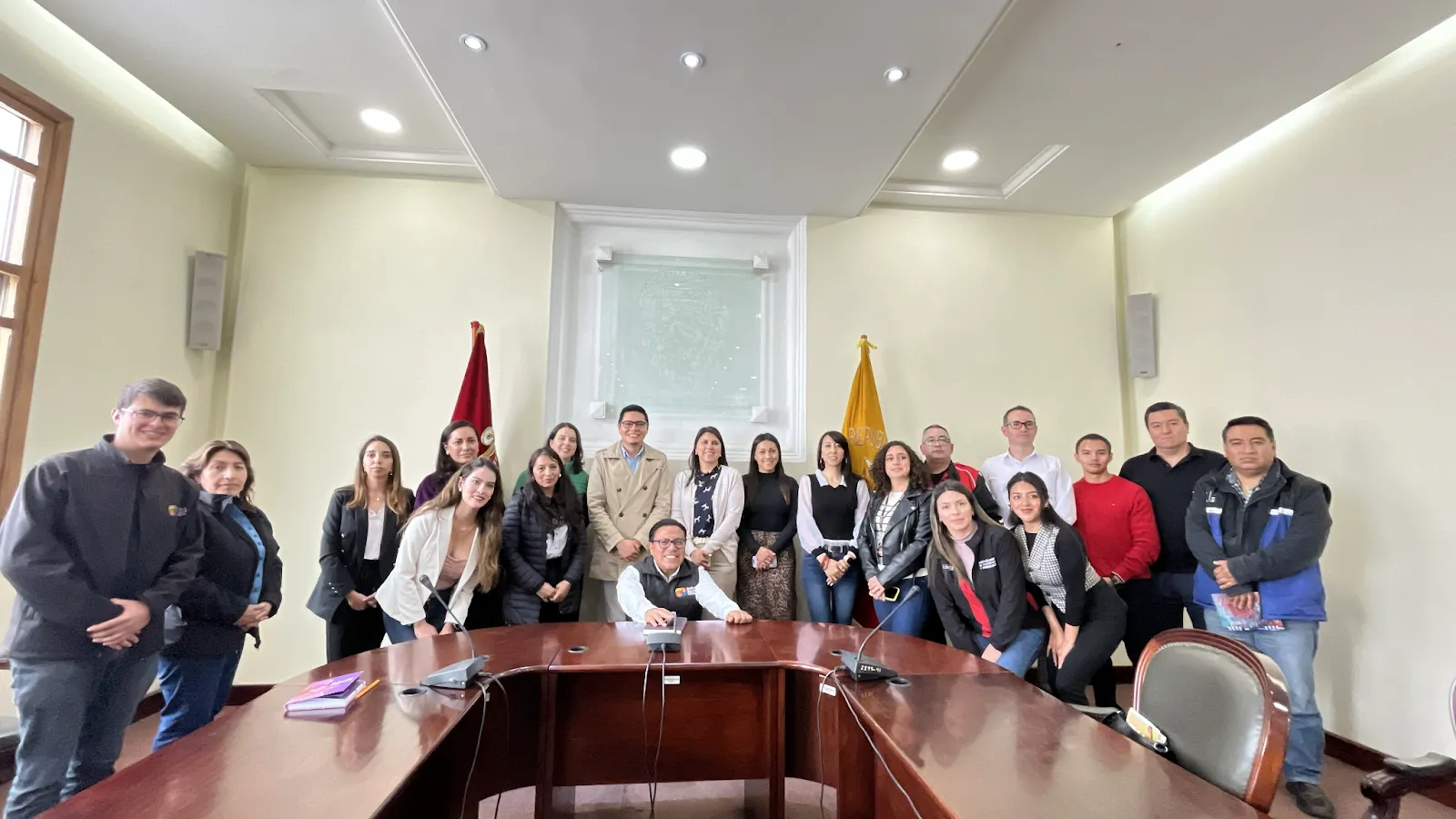
- Institutionalisation of youth participation through the creation of a municipal roundtable on placemaking and youth safety, enabling regular joint planning.
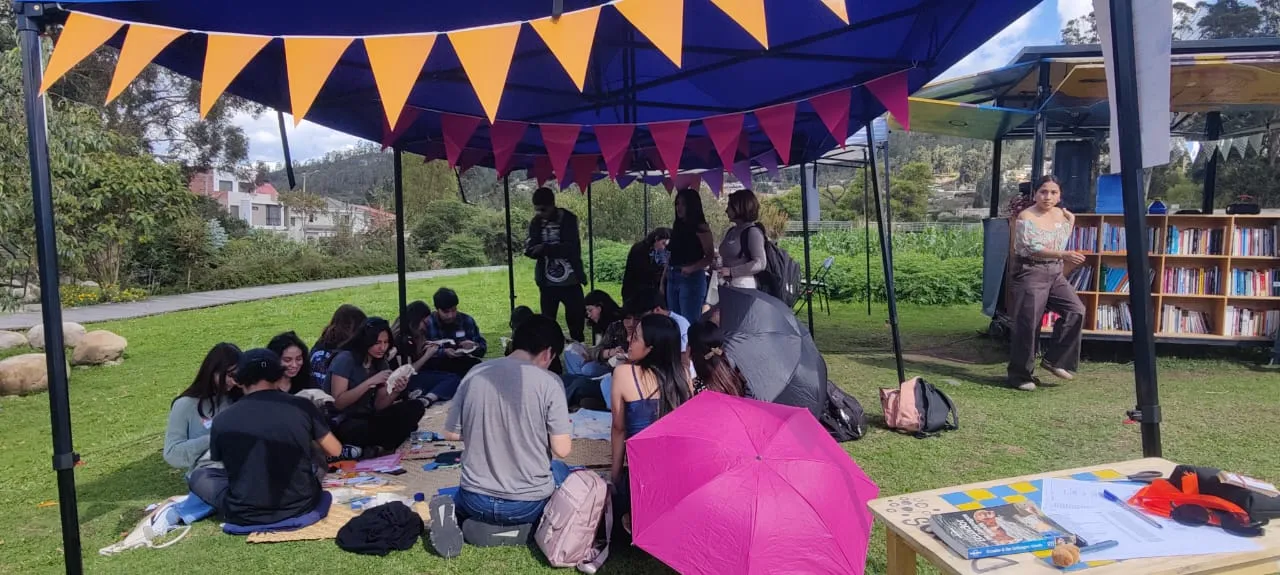
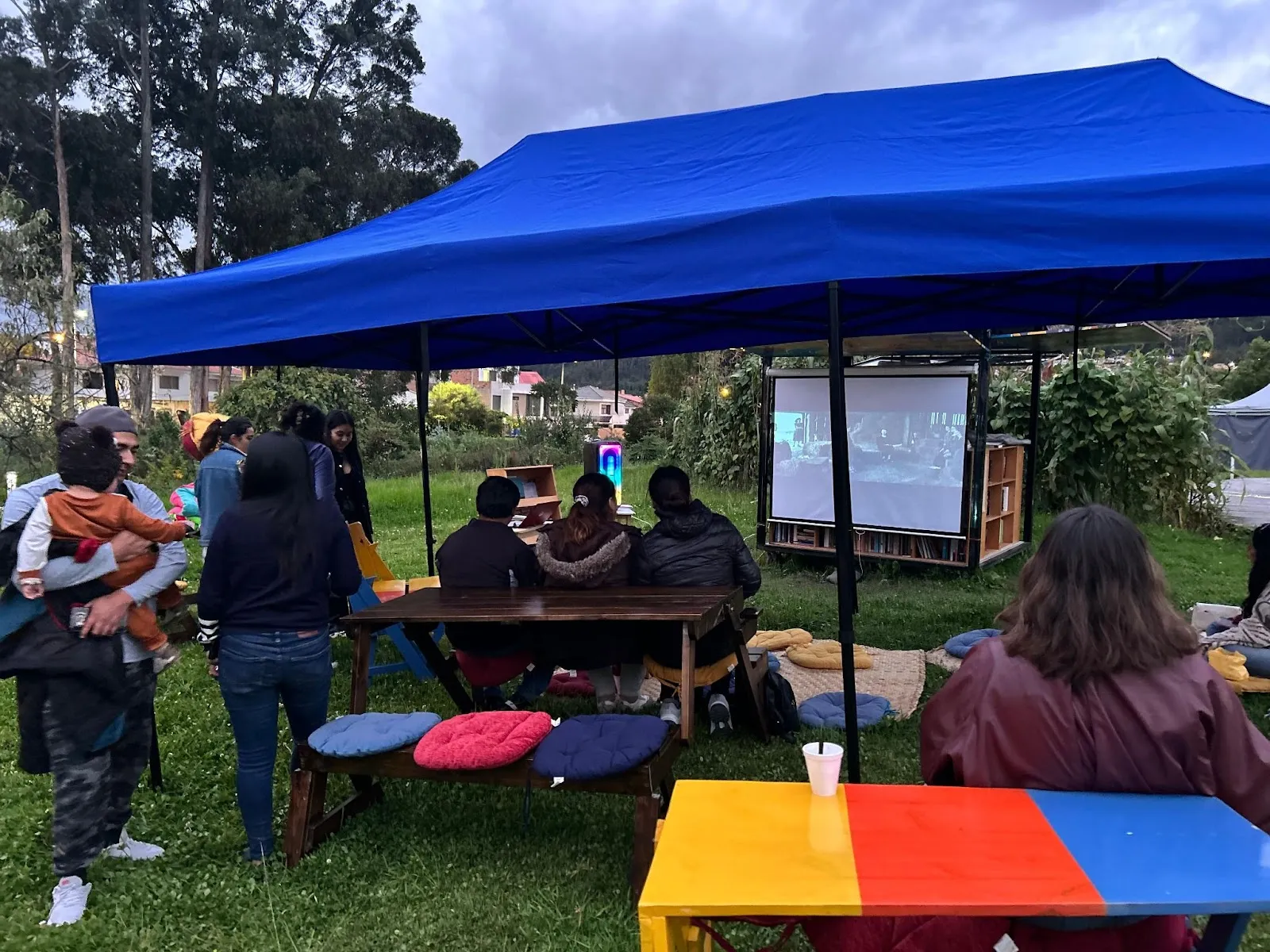
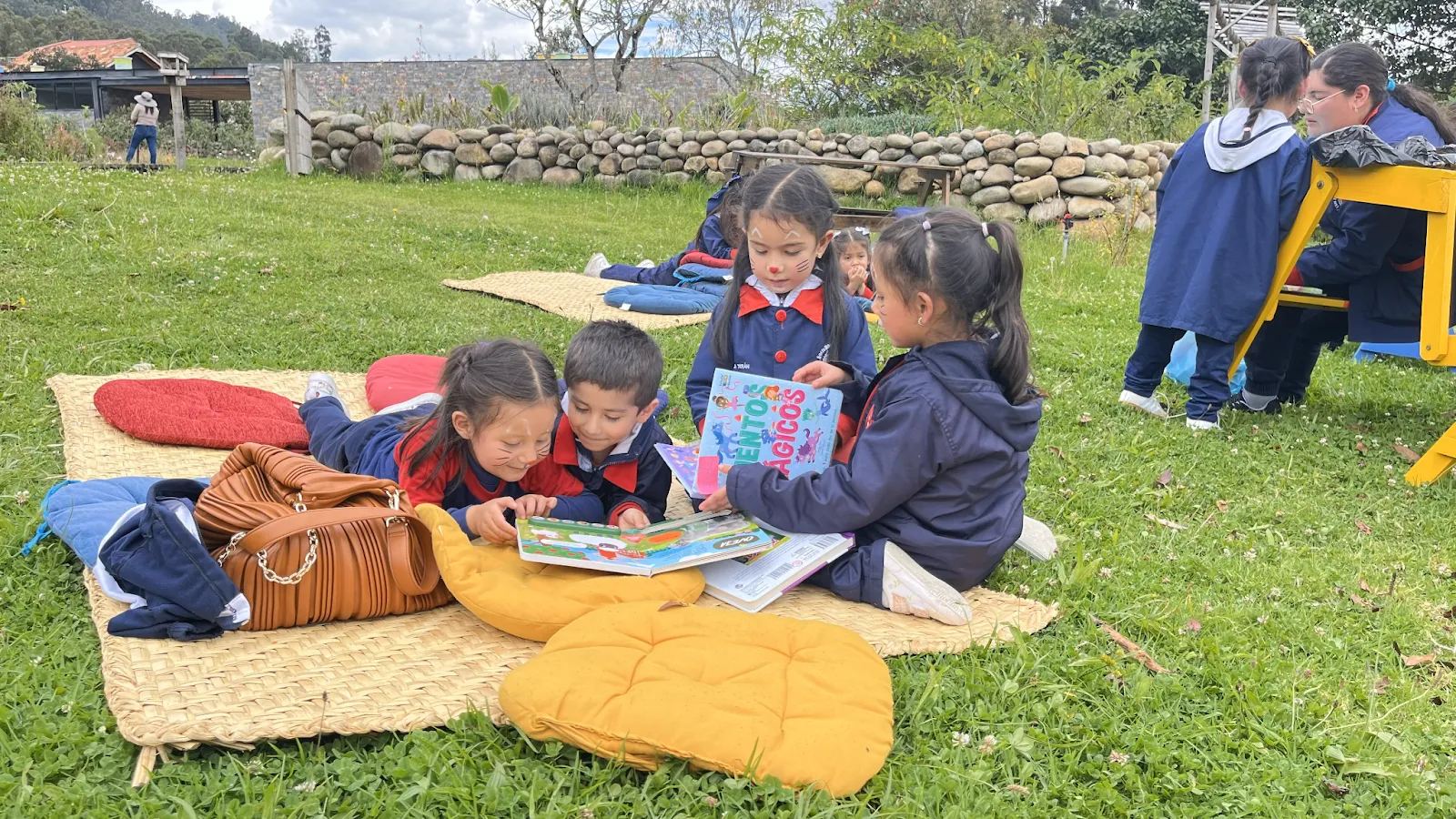
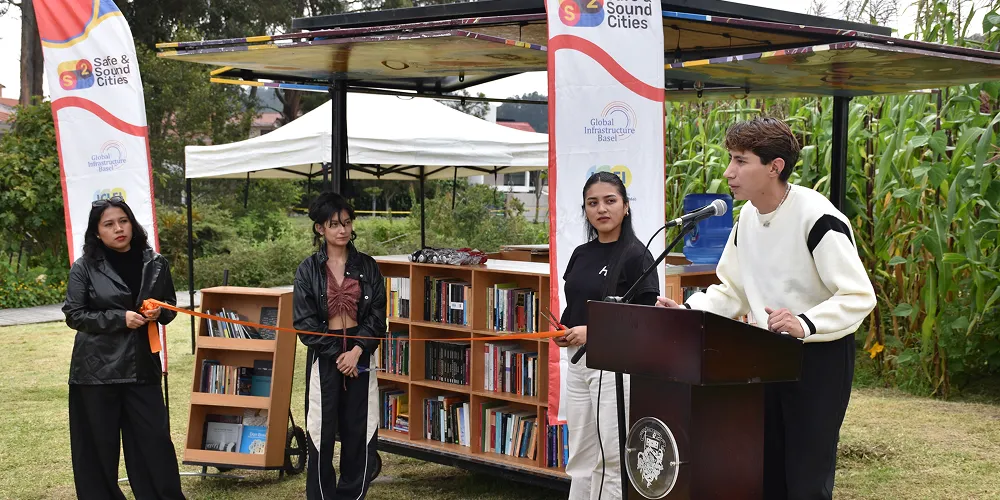
- Integration of Bibliorío and Arteria into city cultural programming, demonstrating the scaling and municipal adoption of youth-led spaces.
- Public–academic collaboration with Universidad de Azuay and Fundación Amaru to embed youth safety indicators in city monitoring systems.
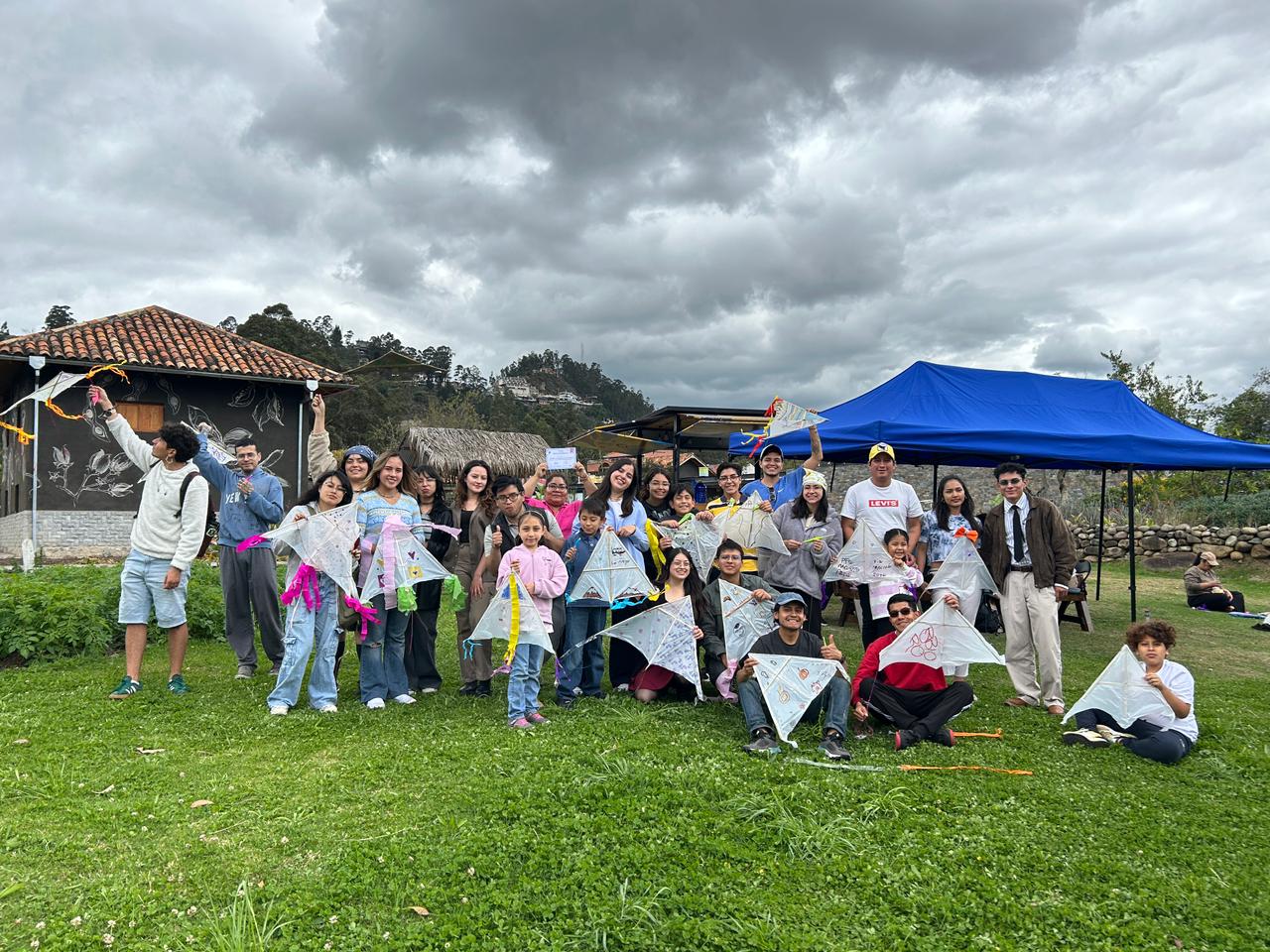
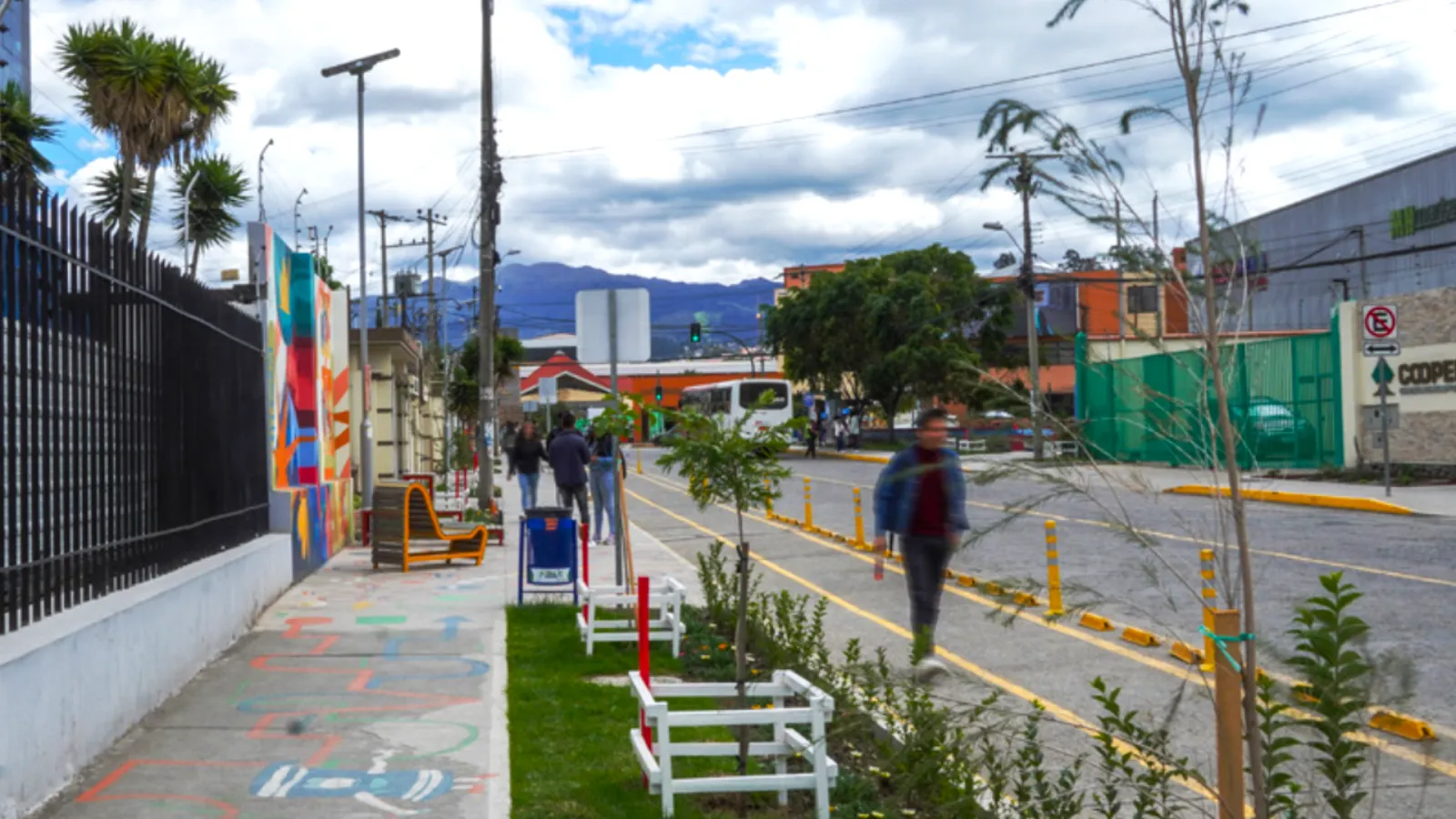
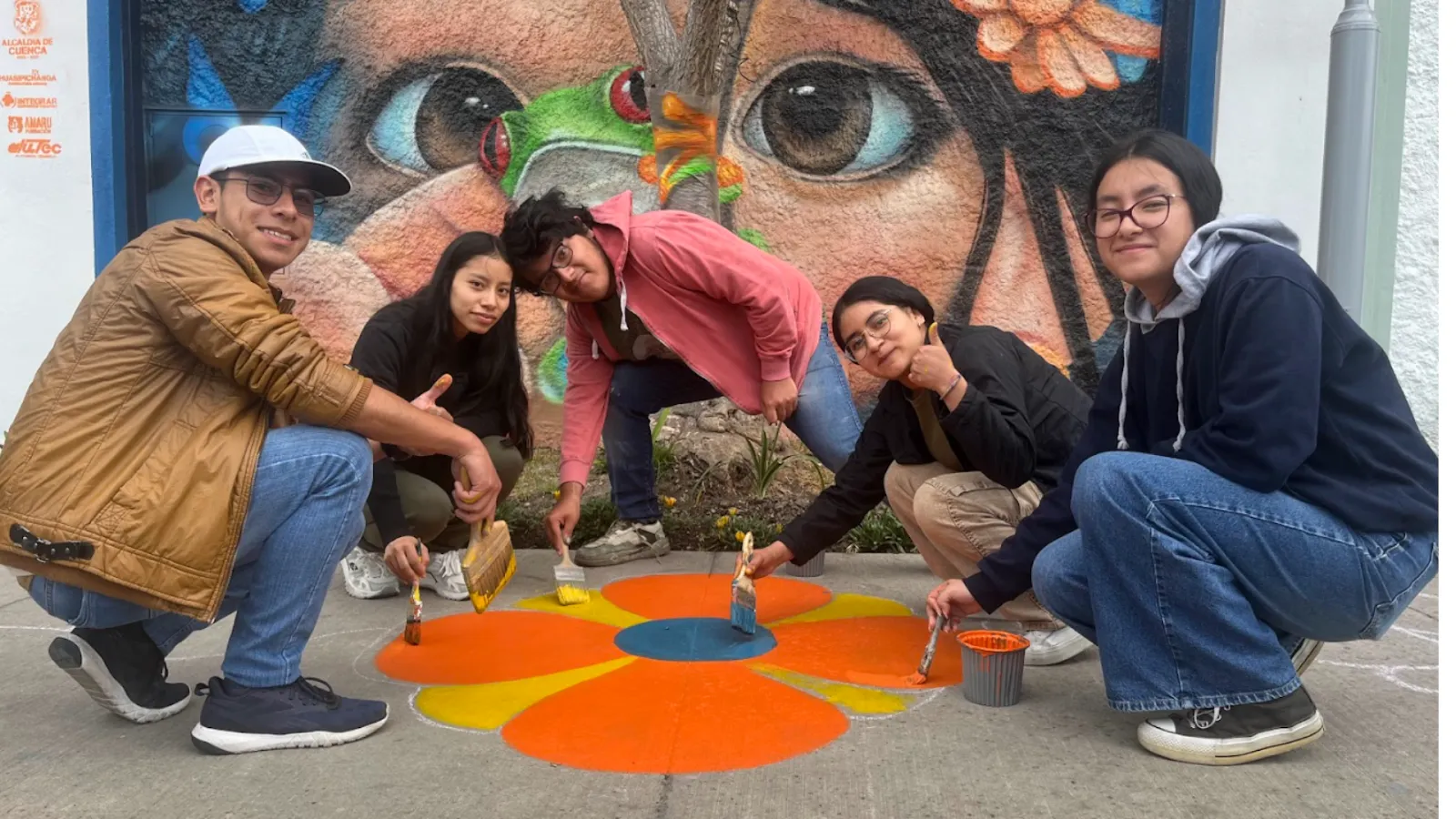
- Youth-led activation of underused spaces, influencing municipal approaches to cultural policy and public-space regeneration.
- Shift in youth–municipal trust dynamics, with young leaders engaging in safety diagnostics and co-design processes with planning departments.
- Strengthening of youth mentoring and peer leadership networks, with Bibliorío and Arteria mentoring emerging collectives and shaping perceptions about youth civic agency.

Local Consortium Partners



People in the Programme
.webp)

%20Report.webp)
.webp)













.webp)