Cartagena
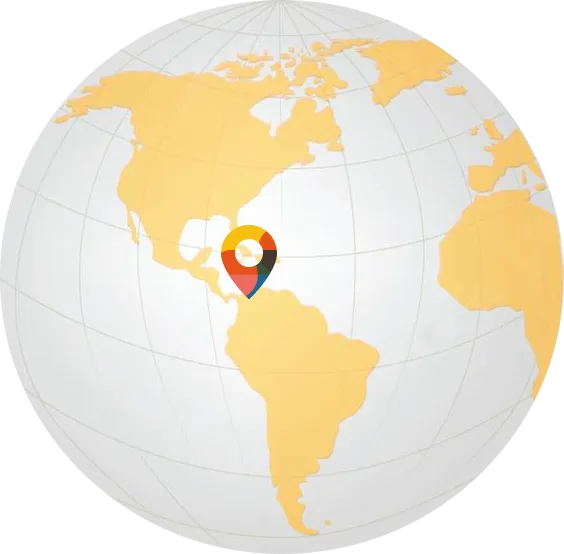
Cartagena de Indias, a rapidly growing secondary city on Colombia’s Caribbean coast, is home to 1.1 million residents, with nearly a quarter aged 15 to 29, according to 2025 population data. The city’s Afro-Colombian, Indigenous, and mestizo heritage enriches its cultural identity and shapes youth engagement. Youth participation is supported through the Statute of Youth Citizenship and local frameworks such as CONPES 04 and the Open Government Action Plan, which promote inclusion and co-creation. The introduction of Youth Councils further enabled young people to engage local and national leaders. Strengthening youth leadership and urban safety remains central to ensuring equitable access to Cartagena’s social, cultural, and economic opportunities.

Making Cartagena Safe and Sound
Cartagena joined the S²Cities programme in 2025 as the second Colombian city after Envigado. While the city continues to navigate challenges related to inequality, fragmented planning, and uneven access to services, its rich civic energy and strong community networks provide a powerful foundation for collaborative action. The contrast between the historic centre and peripheral neighbourhoods is often described as “two Cartagenas,” yet across both areas, young people remain central to shaping a safer and more inclusive urban future.
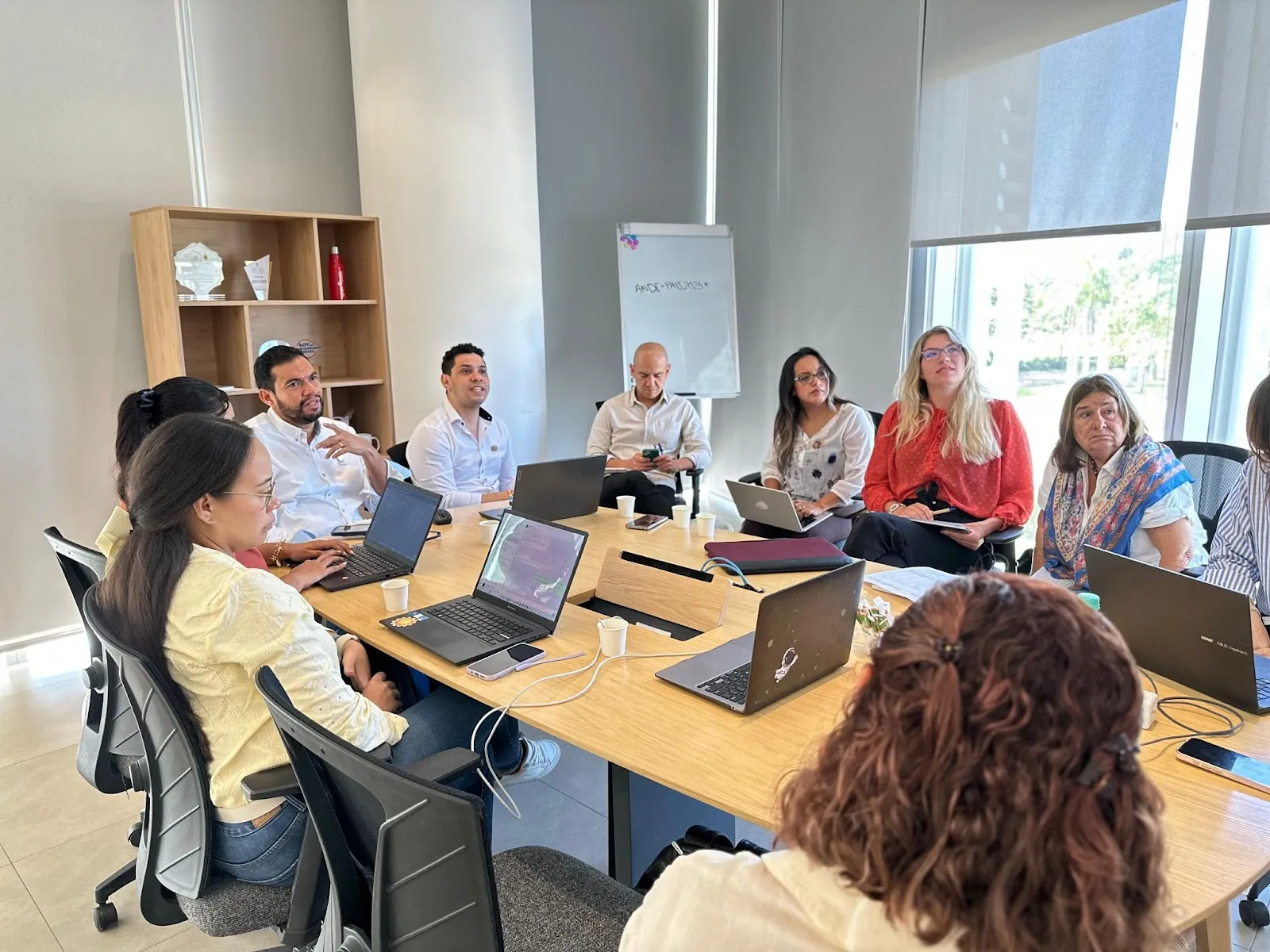
Building on lessons from Envigado, local partner Fundación Mi Sangre (FMS) adapts the S²Cities systems approach to Cartagena’s social and institutional context. The programme focuses on strengthening collaboration and trust between young people and local authorities, embedding youth participation into city processes from the outset. Through Unir para Construir (“Unite to Build”), a cross-sectoral training programme, FMS equips local decision-makers with the tools to meaningfully engage young people in co-creating safer civic environments.
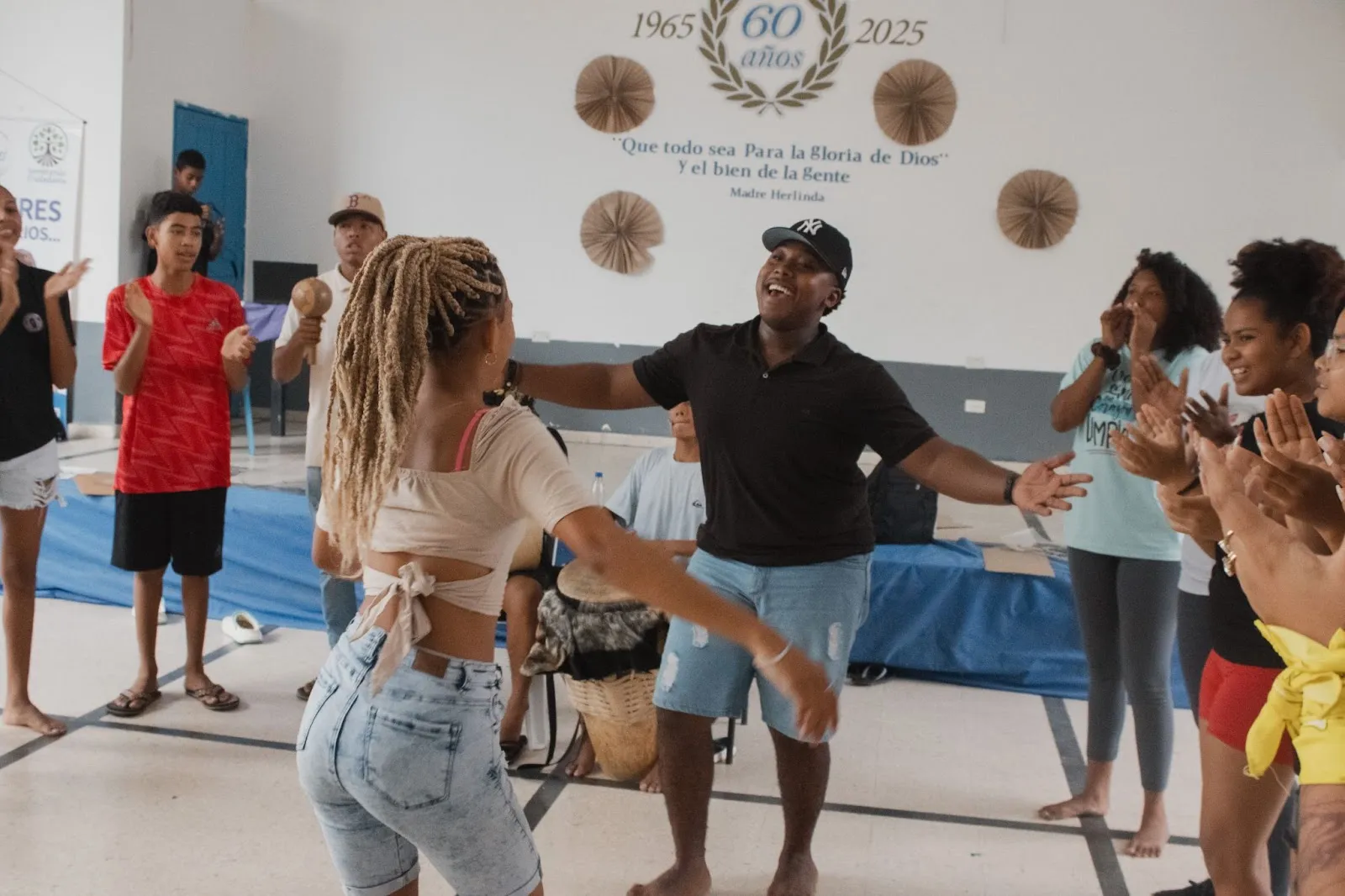
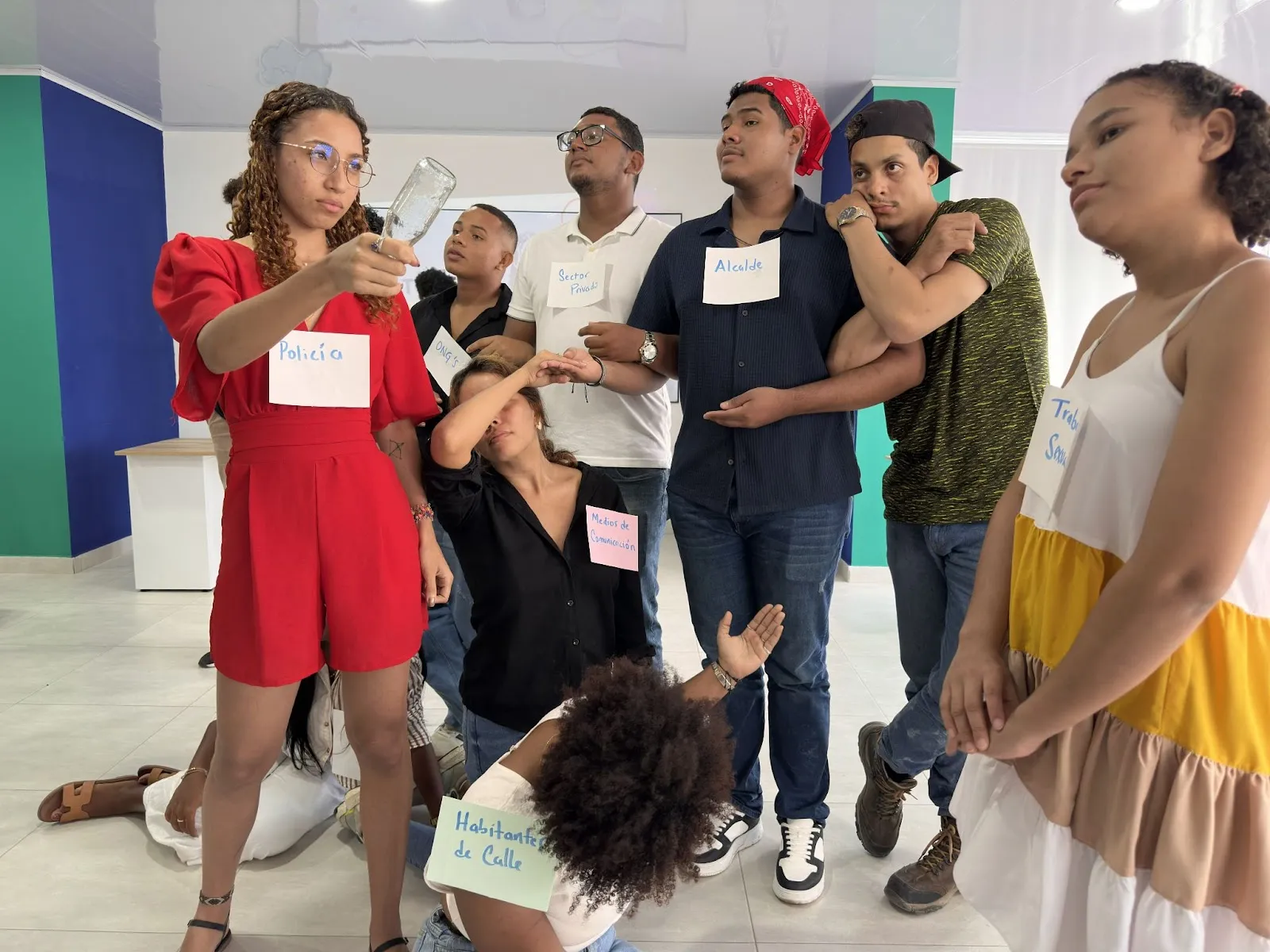
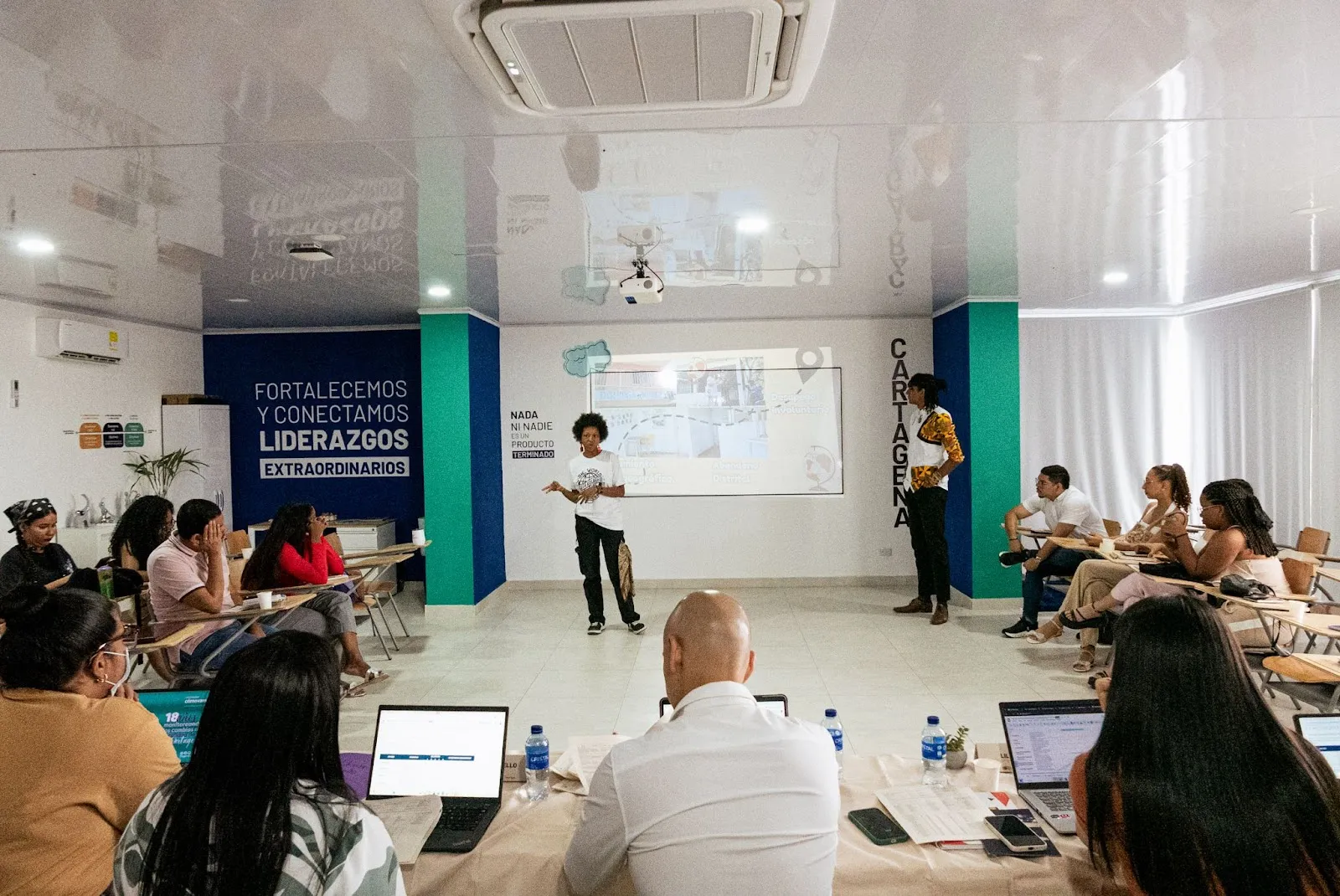
Cartagena’s programme implementation begins with a Leadership School designed to strengthen young people’s leadership and problem-solving skills through experiential learning and collective action. As the programme progresses into innovation rounds, the focus is on supporting territorially rooted youth initiatives and participatory decision-making pathways. Through these efforts, FMS lays the groundwork for safer, more inclusive, and resilient urban communities across Cartagena.
Local Consortium Partners
.webp)

People in the Programme